



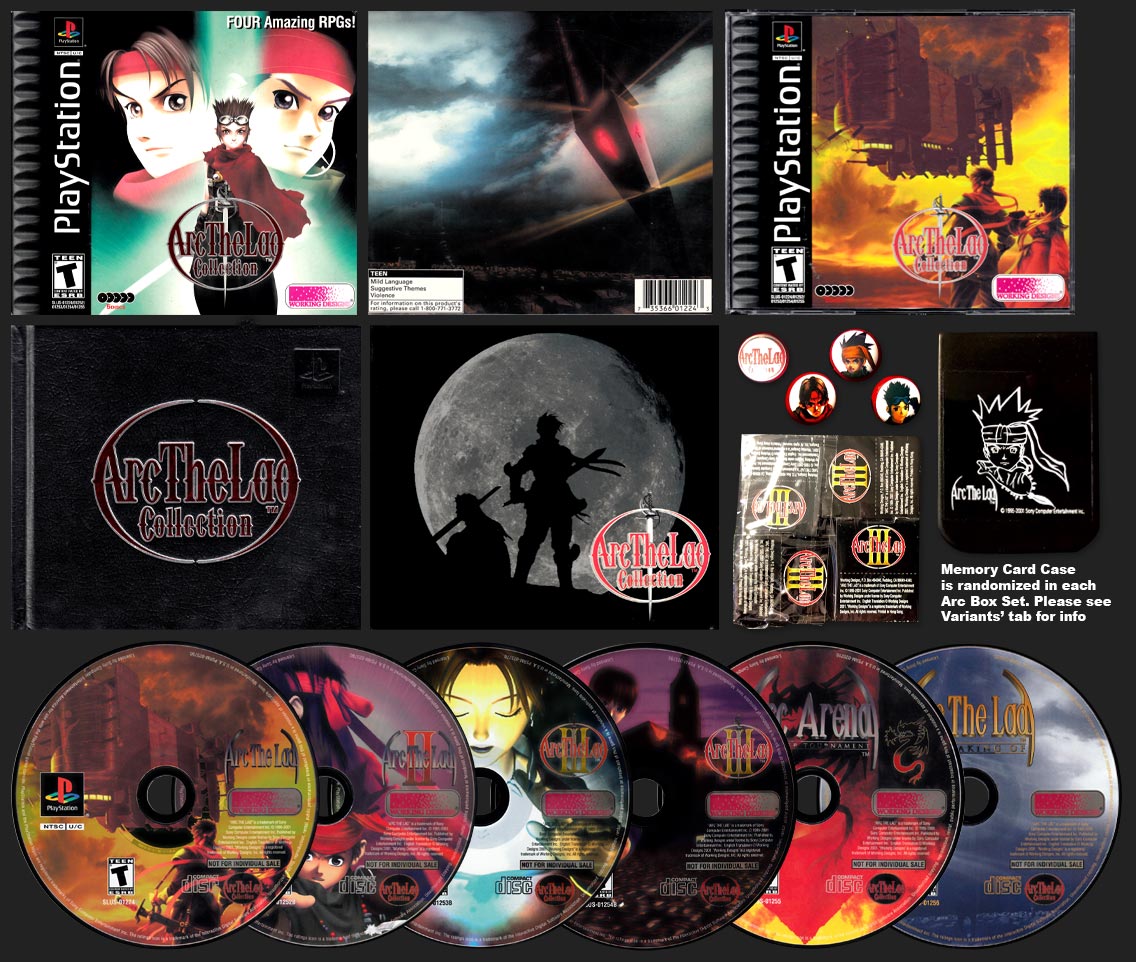
Collector’s Edition – Variant B Set / PSRM – 023750B, 023760B, 023770B, 023780B
| Genre: Role Playing Games |
CDs: 6 (5 Game CDs, 1 Making of) |
|---|---|
| Publisher: Working Designs |
Released: March 15, 2002 |
| Developer: Working Designs / G-Craft |
UPC: 7 35366 01224 3 |
| Sony ID: SLUS-01224b, 01252b, 01253b, 01254b, 01255 |
PSRM: 023750, 023760, 023770, 023780, 020210 |
| Players: 1 to 2 Players |
Memory: 1 to 2 Blocks |
| Accessories: Analog, Vibration |
|
| ESRB: Teen – Mild Language, Suggestive Themes, Violence |
|
| Box Copy:
Six Disc Collector’s Edition!
Arc the Lad I The first game in the series that really redefined what a Strategy / RPG could be introduces players to a magical world teetering on the edge of destruction. Only young Arc possesses the power to stop the impending destruction, as he fights his way to unsealing the power of the Ark, with help from his friends Kukuru, Poca, Tosh, Gogen, and Iga. Arc the Lad II and Arena The second game in the Arc series introduces Elc, a bounty hunter with a tragic past. He must join forces with Arc to stop the minions of the Dark One, whose presence was only hinted at in the first game. A vast array of impressive Strategy / RPG innovations are introduced in this chapter, like the job system, weapon melding, and multiple-viewpoint storylines. In another first for U.S. console gaming, players can load Arc The Lad II save data into the innovative Arc Arena CD that is included in the package. Players can then take monsters captured in their individual games and battle it out for prizes in the monster tournament. Arc The Lad III Arc the Lad III introduces a new lead character, Alec, and ties up all the storylines developed in the first two games in a way that will leave die hard role-playing fans breathless. It also brings the Arc world into a fully-3D polygon environment! Join Alec as he continues Arc’s heroic battle to save the world from the black advance of ultimate evil! |
|
Enclosures
Arc the Lad Collection’s Omake Box is a bittersweet mix of items for the final Working Designs game on original hardware. The almost now standard leatherette manual is accompanied by 4 analog stick covers (mistakenly called ‘thumb button’ covers), another set of mini-standees like Lunar 2: Eternal Blue Complete had, and then a memory card holder.
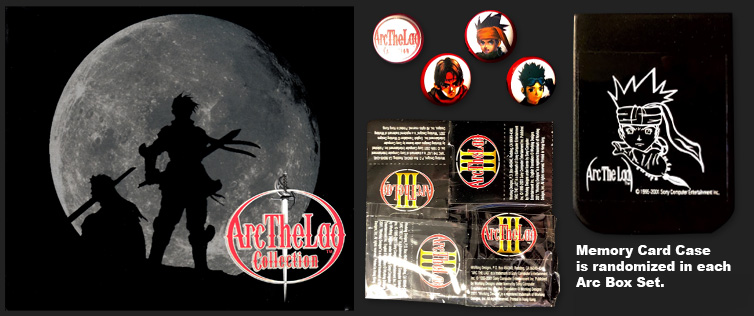
Omake Box and Contents
Now comes the hilarious part. There are only two actual disc variants for the game (see below), but three total memory card case variants. One is randomly inserted into each box set. So to have all the variants you need two complete games and a third memory card holder by itself – or an extra game with it inside.
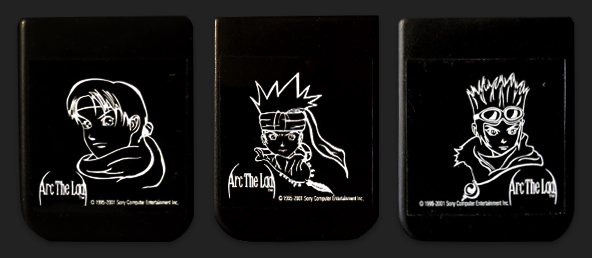
Memory Card Variants – only one per game.
Variants
The only other variant for Arc The Lad’s game discs is Variant C Set. Only the game discs and the memory card holder vary between the boxes.
“Red and Black Discs” Set = SLUS – 01224C, 01252C, 01253C, 01254C, 01255 / PSRM – 023790, 023800, 023810, 023820, 020210
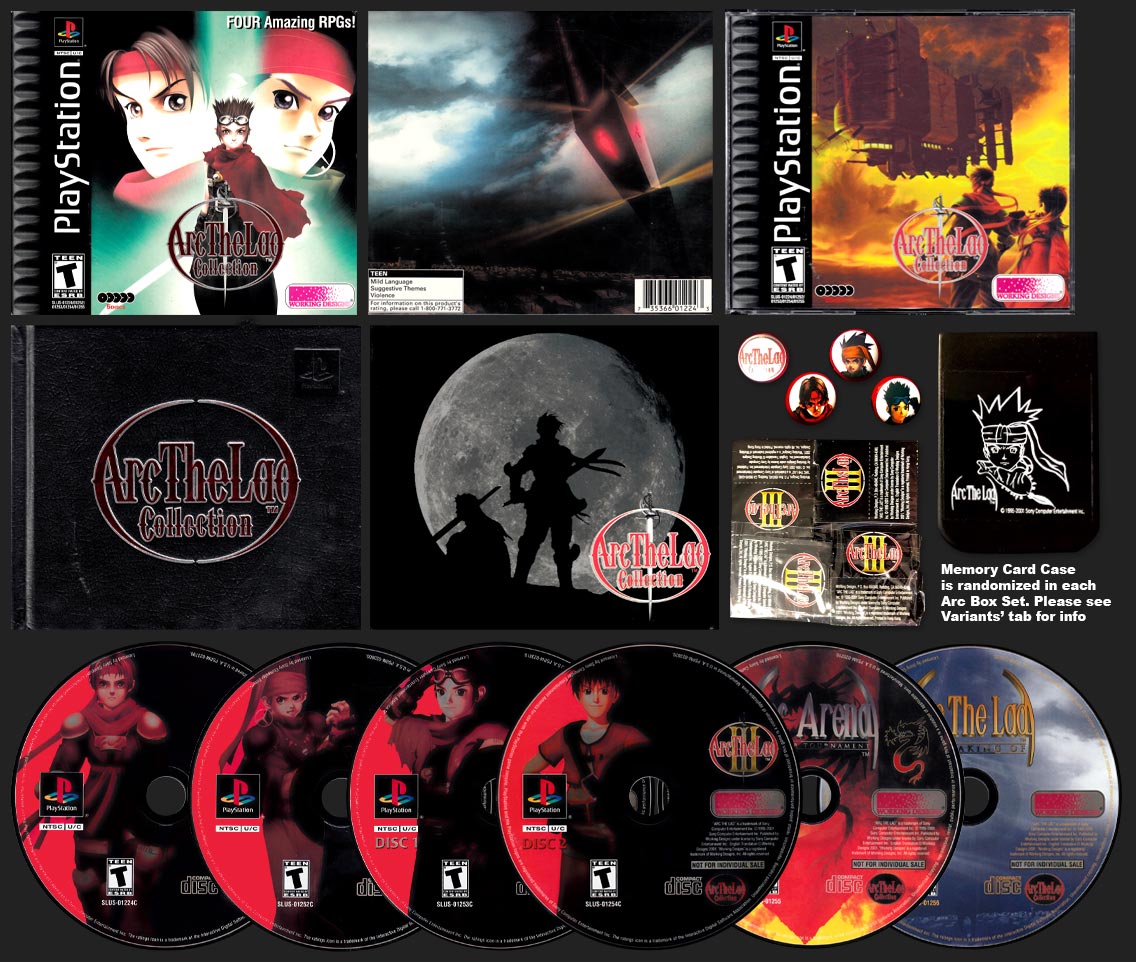
Variant C Set – With Red and Black Disc Arts
Misprints
- There are no known misprints.
Review
Arc the Lad Collection spans 4 massive games. To keep this page organized, we’ve hidden each review behind the spoiler tag. Juck click the blue bar to read each one.
We begin with Arc the Lad 1, the first in the Arc the Lad trilogy of games. It would be released in Japan in the summer of 1995. If you were like me in America, you were waiting for it till the system was practically dead. But hey, at least it was everything in one shot. I’ll be going through the whole box one title at a time. So let’s start!
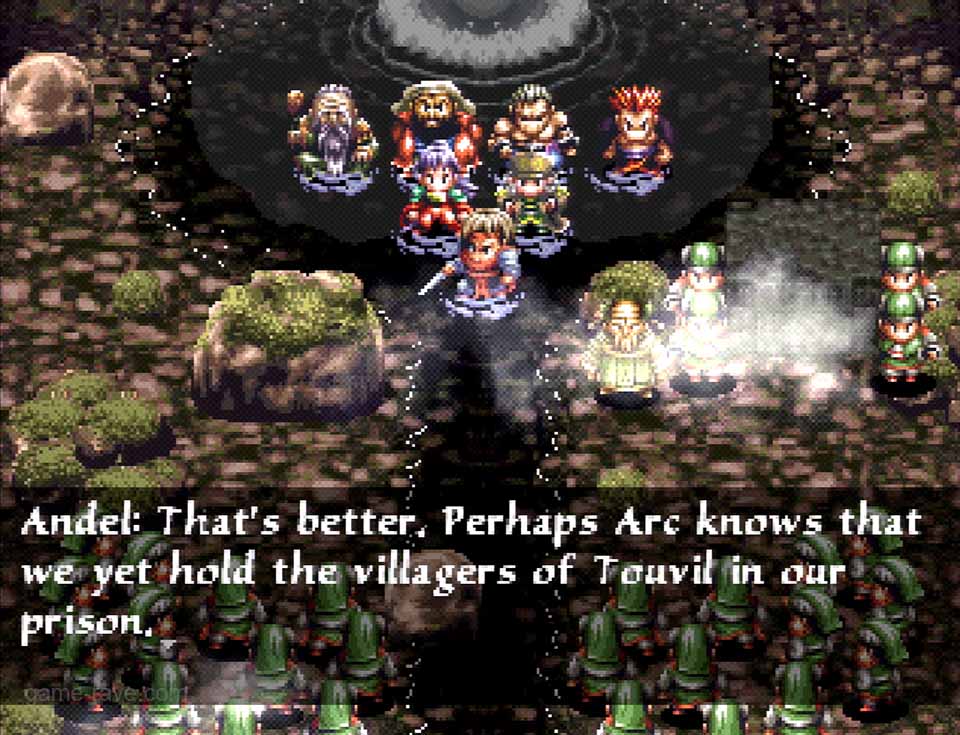
Arc is the series’s main protagonist, and you’ll begin his journey looking for his father, who went missing a decade earlier. Tied to his quest is Kukuru, the protector of the Sacred Flame, who desperately wants her freedom rather than her legacy. From these two, the player’s team will eventually encompass 7 characters, each with their delightful vibe, skills, and move sets.
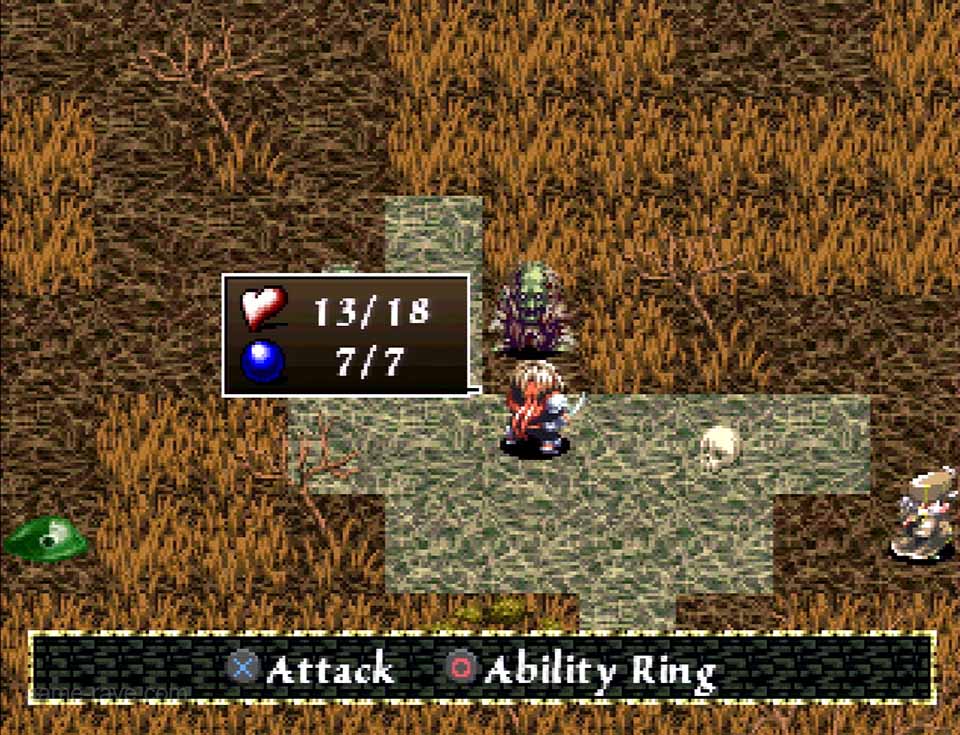
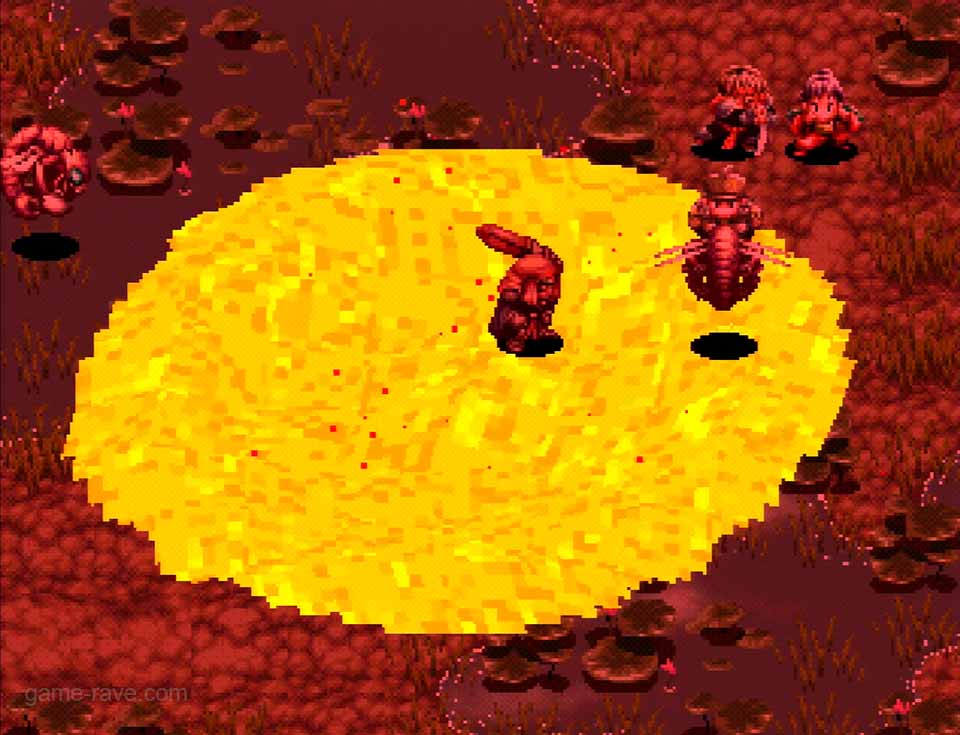
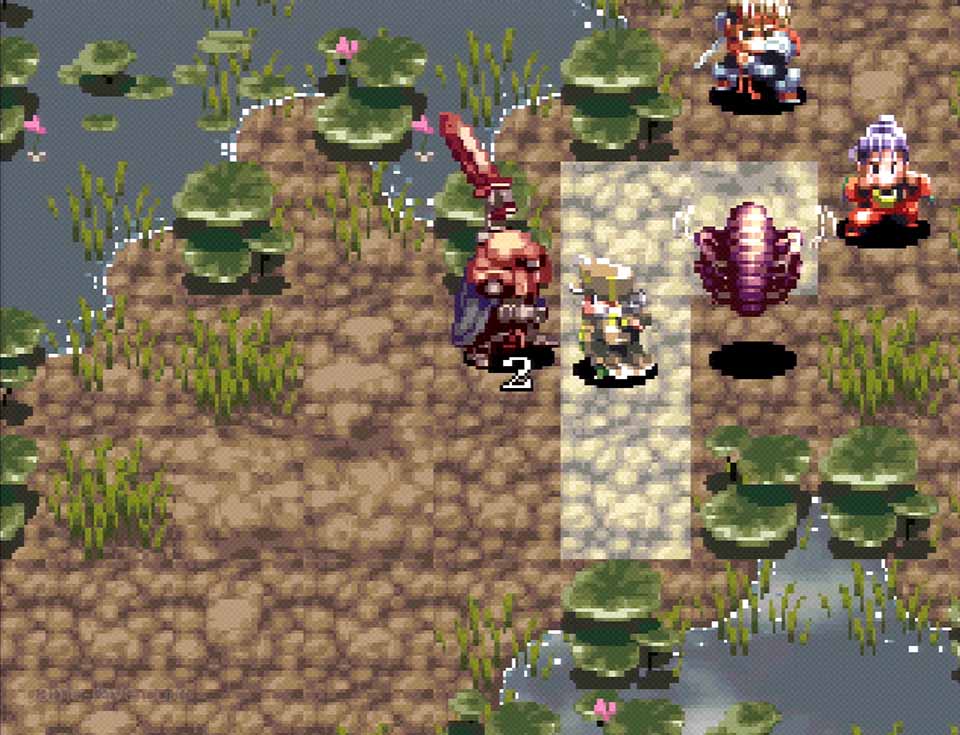
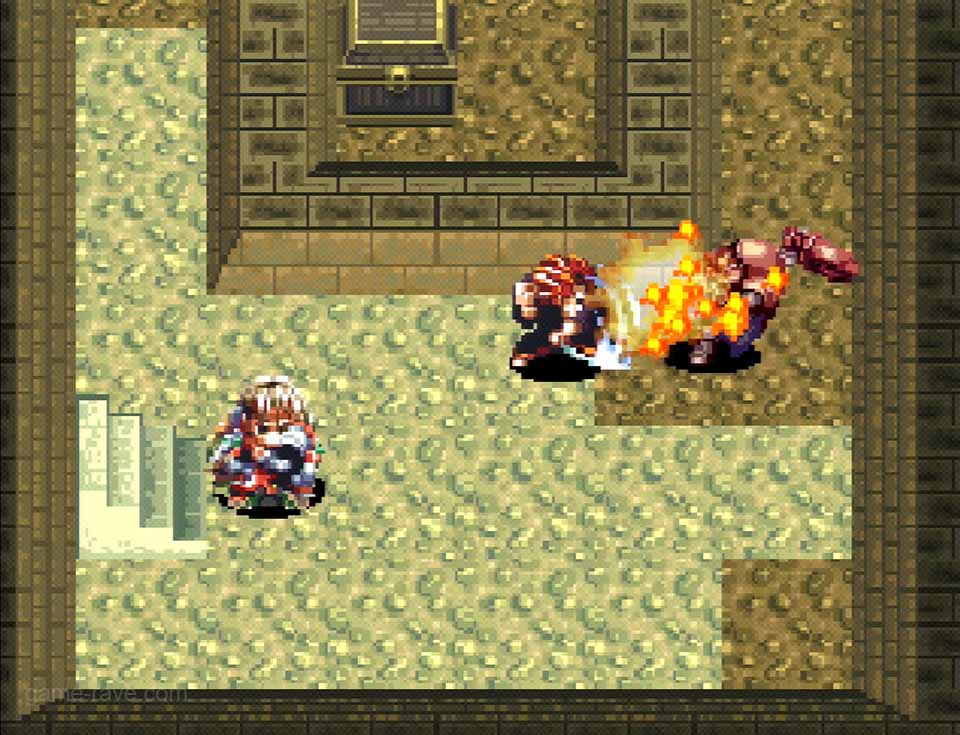
Gameplay is rooted in the Strategy RPG genre – players are pawns on a board and must maneuver in and around enemy characters in turn-based combat. Attacking from the sides and behind increases the chance of better damage. One of the game’s first curious applications is revealed here; no shops or rest areas exist. Everything you’ll earn in the game, from weapons to spells and moves to accessories, is all procured from the battles themselves.
This requires the player to keep an eye on treasure chests within the battle maps and how to open them while fending off the opposition. Gleefully, the game allows for some creative angles concerning treasure chests. You don’t have to be next to it to earn its spoils. Hitting it with a rock or a magic spell will produce the desired result.
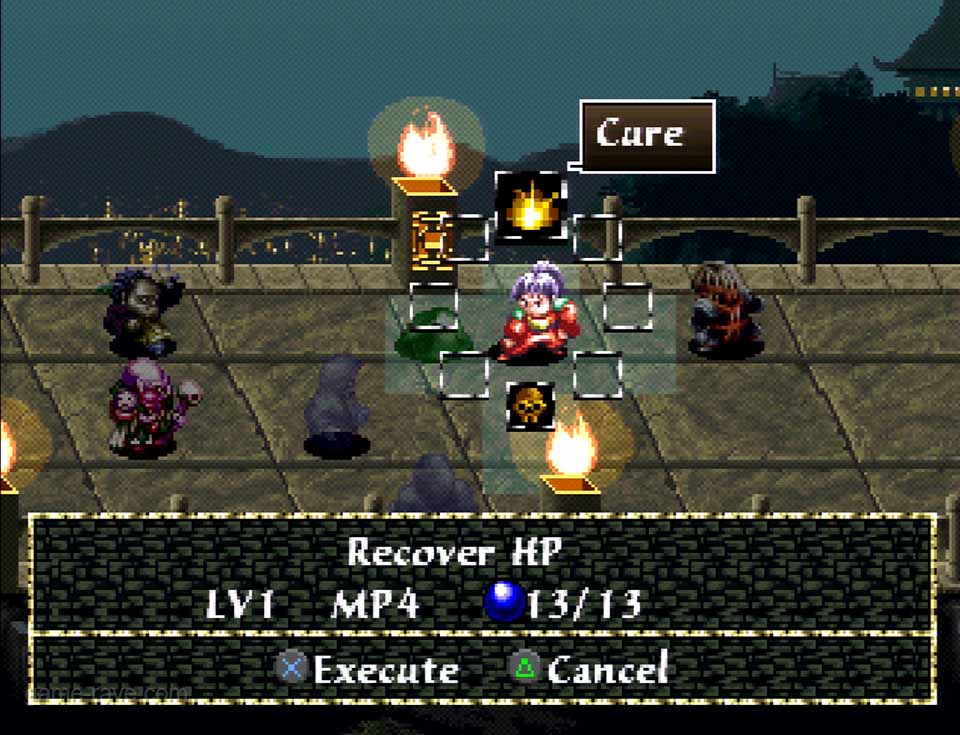
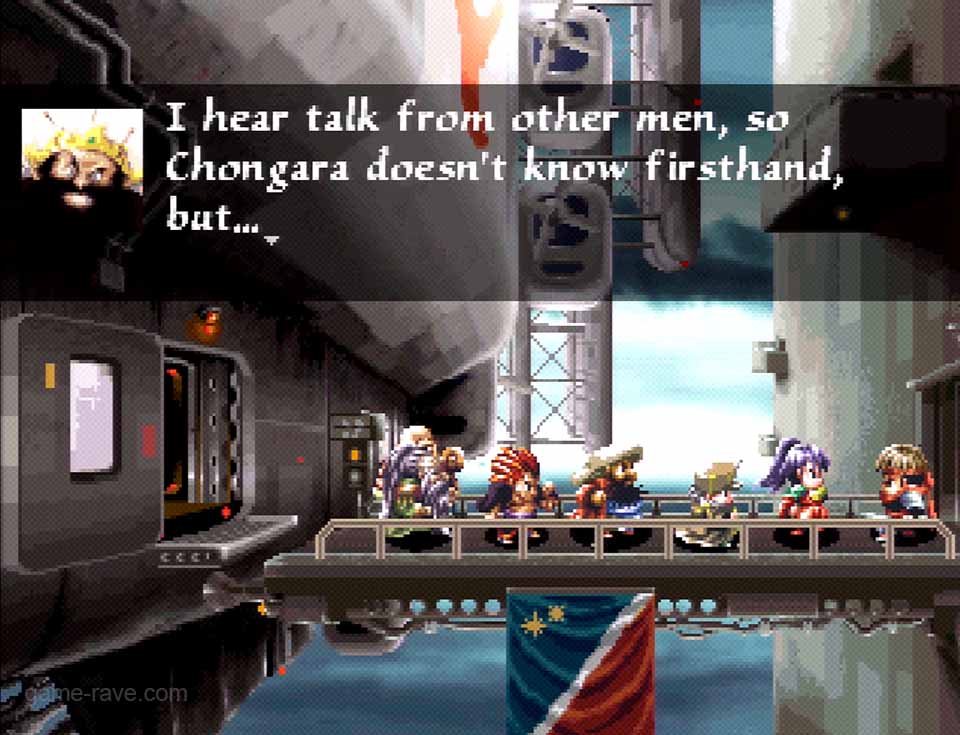
Each character has strengths and weaknesses as expected, but I was struck by how well they play off of each other in battle. Arc and Tosh are the swordsmen – the main assault team. Kukuru, Arc’s love interest, joins the old wizard Gogen for healing and magical support. Chongara acts as the monster wrangler who summons creatures with various abilities. He’s the icing on the cake, attack-wise. That leaves drumline member Poco and monk Iga. Iga is used to poking holes in the enemy defenses. His main attacks are minimal, but he can eventually target and attack multiple enemies simultaneously.
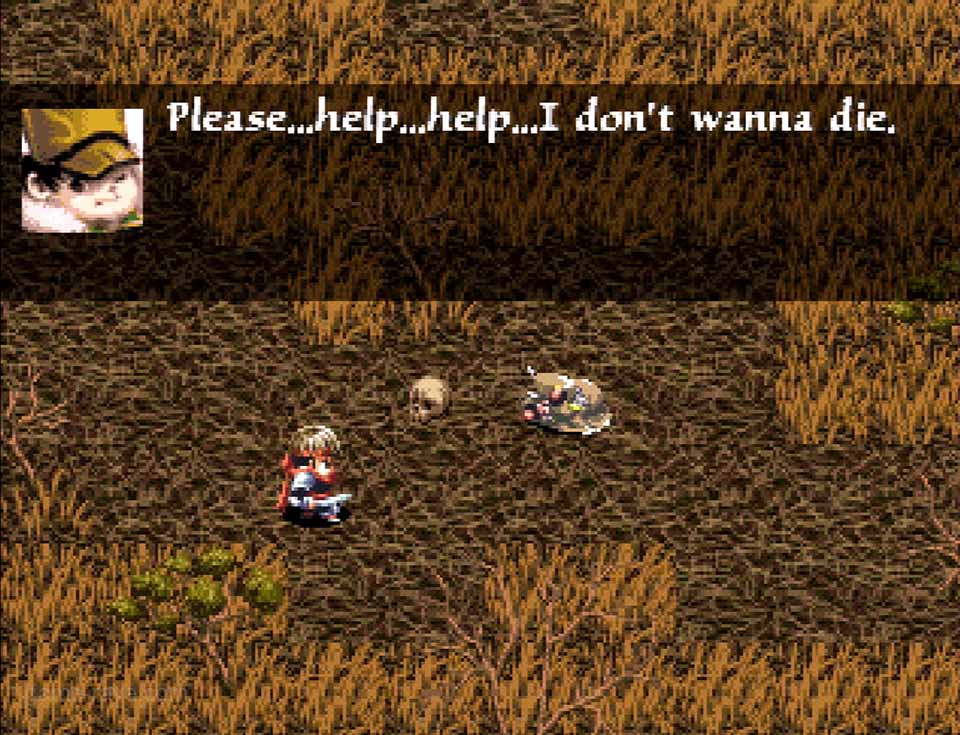
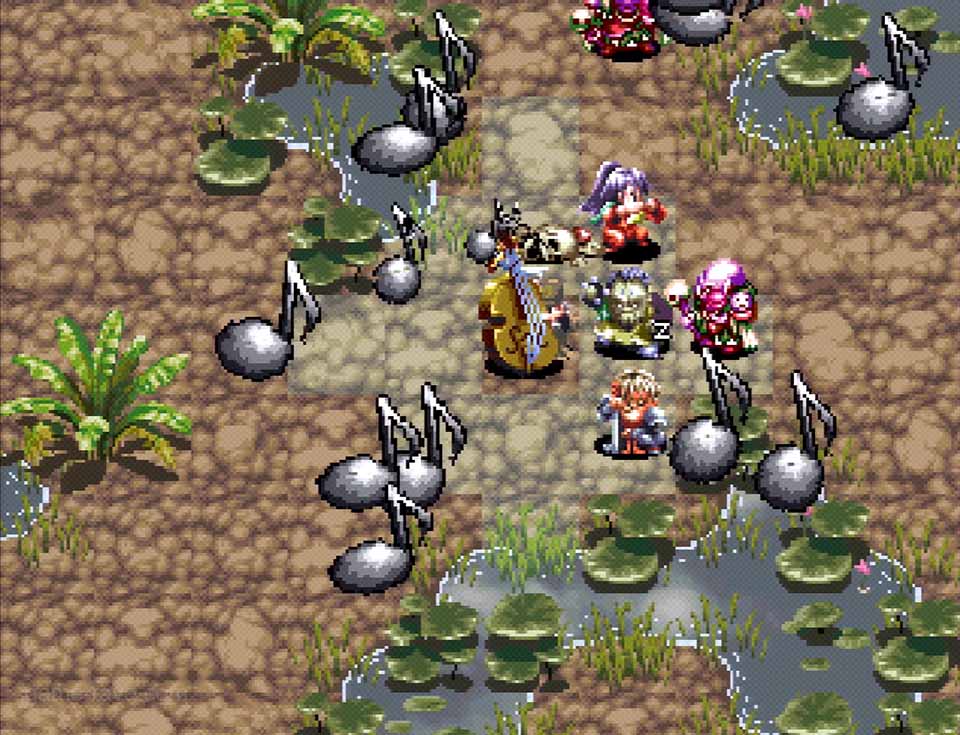
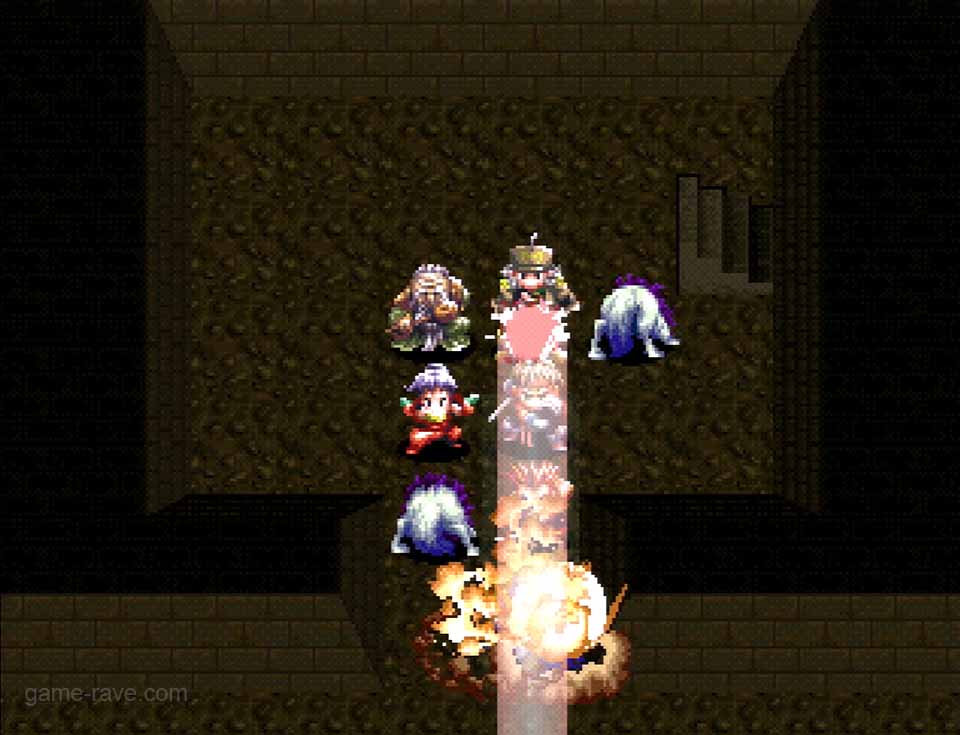
It’s Poco, though, where the game’s charm shines. The last standing member of a military patrol sent out by his king, Poco, is found hiding from monsters. Equipped only with his instruments, he fends off his attackers with symbols, horns, harps, and my absolute favorite, his drum. If used, it produces this anime-sized energy beam that annihilates everything.
That’s where one of Arc’s major highlights is – the graphics and animation are nothing short of pure joy. Every single character, enemy, and NPC exudes animation and creative reactions. Slimes wobble in place, only to stretch into two separate targets. Gloomy zombies breathing with their mouths agape, crumbling to pieces from their death blow. Skeletons fall apart into a pile of parts, and so on. Attack animations have three levels of visual variety based on how successful the assault was. My favorite is likely Iga, who, when super-charged, pulls his opponent in, leaps high, and just body slams them back down to Earth. Saying it’s satisfying is underselling the smile it kept putting on my face.
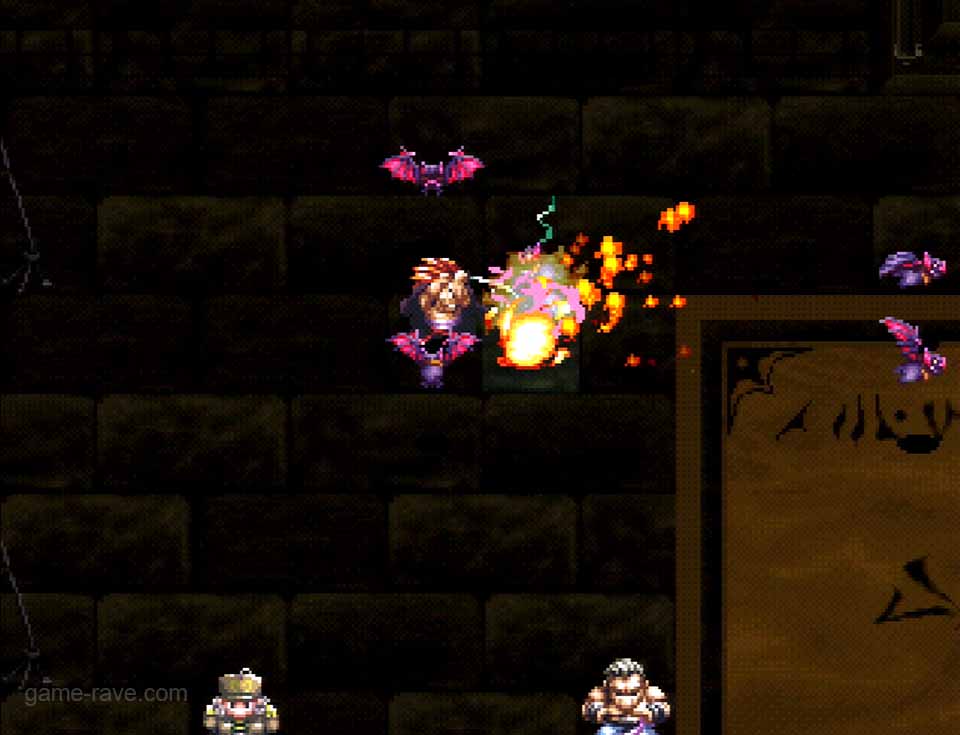
But the animation goes beyond the battlefield. You will see folks handing items to other characters, taking knees in reverence to their king, and more. Walking animations see clothes bounce, bangs move, with Poco even removing his hat in front of his majesty. It’s the first of two master classes G-Craft gives, with the second one being how much they could do with so little.
Arc the Lad is not a large game for location variety. Grinding levels are often done in the same 2 or three locations per area, but somehow the developers keep it fresh by introducing ever-evolving side quests and what I have dubbed “God Tier” missions. Let’s start with the former.
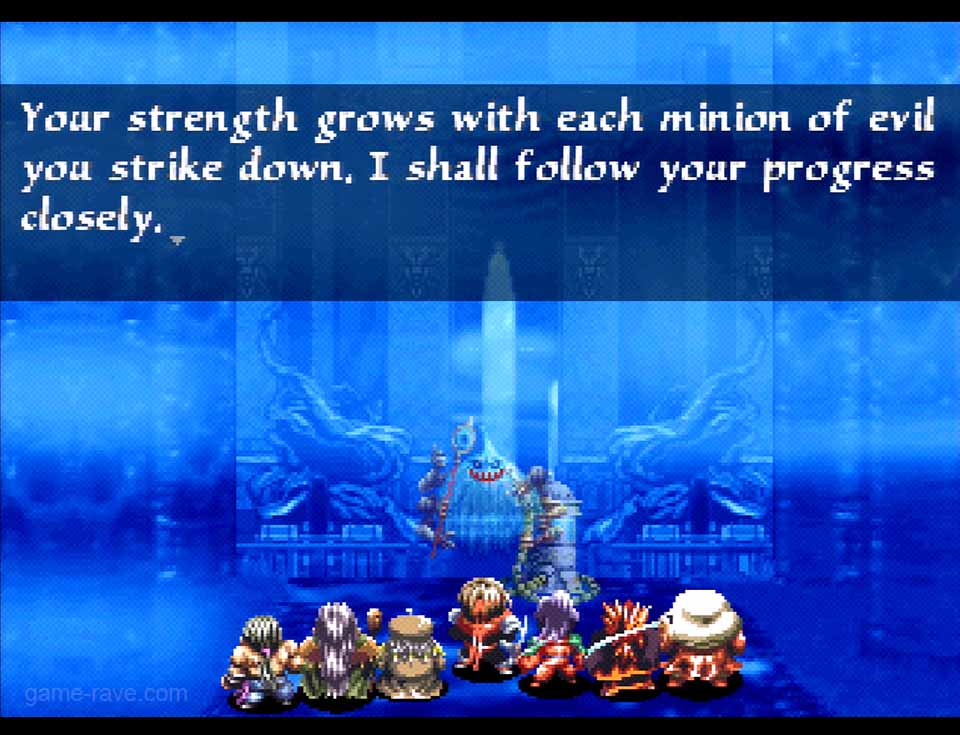
You can easily miss important items within otherwise throw-away moments and comments. Once you rescue the Water Guardian. He’ll tell you he’s keeping an eye on your activities and will reward you for cleansing his land of monsters. Under the basics – this means killing off 10 enemies and returning for a useful item. However, if you go back and can slaughter enough monsters wholesale, returning to him, he’ll award Poco his final instrument piece. One accessory is acquired by talking to a character 10 times consecutively. They award you the item as an offer to leave them alone.
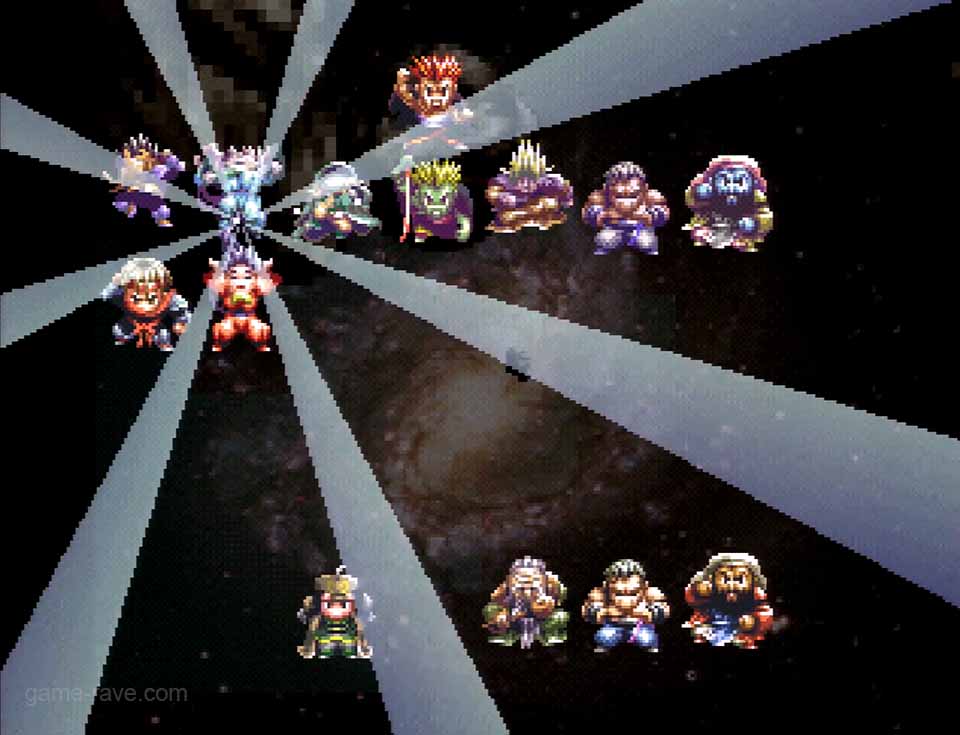
That’s at least on the easy end of things. Let’s talk about those tier-god side missions – the three main ones. Starting with the least offensive but easily failable – Chongara’s sketchbook. During the battles, you can have Chongara search the enemy to get all their information. He’ll jot it down in his book, along with a cute little doodle. The catch is that many enemies are locked in dungeons that disappear once you finish them. So if you miss them, then you miss them forever. Players must sketch light and dark versions of all seven characters, including Chongara himself. Even his call spells need to get sketch treatment.
But that pales in comparison to the other two, The Forbidden Ruins and The Tournament. If we’re talking time sink, we’ll start with the Forbidden Ruins. In a measly 4 to 6-hour adventure, players will need to travel down 50 floors of the ruins, fight what is essentially a hidden boss, acquire them as Chongara’s final call spell, and then fight back up the 50 floors and out. With no save points, no magic or health replenishment outside of items found or had, and do it all in one go.
What’s your reward for all of this? Choko. An adorable little girl who can only be used in specific maps but packs quite a wallop.
But the granddaddy of them all, which is surprisingly helpful, is the Tournament Challenge. Once you get the story-related battle out of the way, the ultimate challenge unlocks. For every set of wins won, you’ll be granted your choice of a prize. The gimmick is that it is strictly a one-on-one match, and the enemy scales up with your character’s experience level. It starts with just needing to win 10 fights. Then 30…and then eventually 1,000 wins. One thousand one-one-one wins. Now, this is ridiculous, to begin with, but it does have a funny strategic advantage. Because fights are one-on-one, you can focus on leveling up your characters in a controlled environment. I started with Arc, got him maxed out, moved to Kukuru, and kept going. By the time I successfully conquered the 1000th fight, Chongara was the only character not hilariously maxed out. Every enemy became a 1-hit kill.
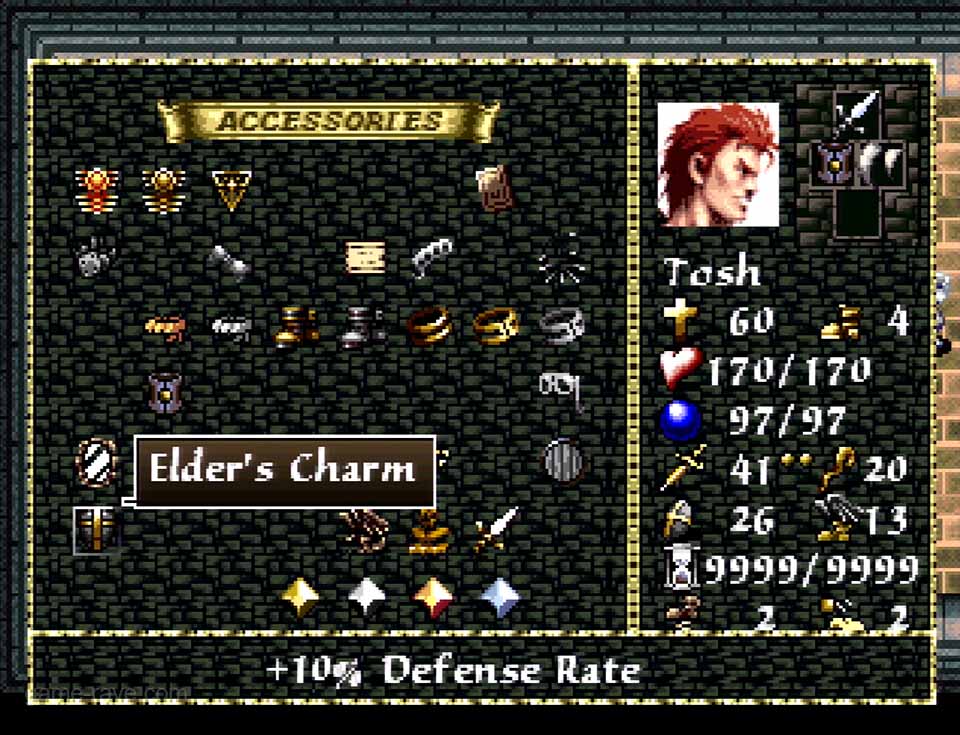
There are two rewards for achieving this monumental task. The first is copious amounts of usable items, and two new accessories to add to the collection. The second is Working Designs calling you out for spending all that time to do the deed. The game tells you to save, turn off the system, and go outside. Thanks, Uncle Vic!
The time sink for all of that? An average game of Arc the Lad is 11 hours. With these side quests tacked on…33 hours. So… yeah.
Back to the standard review bullet points, which leave music and story. The music is great. Battle tunes are fast-paced and rhythmic, cinematic orchestrations are moody and inspirational. It is never lost in the background or buried under sound effects. Perfect execution there. Controls are fine, but there are a few oddities in how information is displayed. While in the accessories menu, you’ll need to hold down a button to see what each accessory does. In the heat of battle, each option is assigned to a different button; it can sometimes trip you up and accidentally skip that character’s turn.
With the story, there’s a bit of a letdown, but it would have been a known factor at the time. The game was planned as a continuing story – Arc II was released only six months after Arc I in Japan. While the usual tropes are carted out, there’s nice chemistry between characters. The disappointment hits when you don’t realize you have fought your last fight before the credits roll. There’s no big bad guy, no alarming crescendo to hype up a fight. Players plow through a wave of two enemy types, and the credits roll. I half expected Arc to tell Gogen he was here to “finish the fight”.
That isn’t to say it’s bad, especially here in America, which got everything at once. But it did feel off enough to ding the overall score.
For being the first step in a greater journey, Arc the Lad I is a great run with plenty to offer the completionist and the casual fan. With a standard runtime that can be done in a week or less, it’s a sort of appetizer to the main meal that awaits in Arc the Lad II. Don’t let the game’s soft ending detour you from heading into the second disc. I’ve had a few hours in, and Arc the Lad II is worth the trip.
On the review scale, it’s a “Solid “ 7 out of 10. Arc’s beginnings are worthy of anyone’s time, even if you don’t try for the 1000 battles.
The Good
- Amazing sprite animation
- Great character interactions
- Main game is short & sweet
The Bad
- Sometimes a clunky interface
- Anticlimactic ending
- Side quests are monster time sinks
Final Score: 7/10 – Solid
Despite not sticking to its landing, Arc The Lad 1 is a fantastic strategy RPG for casual and hardcore fans. That Americans got it as the first step in a box set is icing on the cake. Plus, your save file transfers to Arc The Lad II.
Screenshots
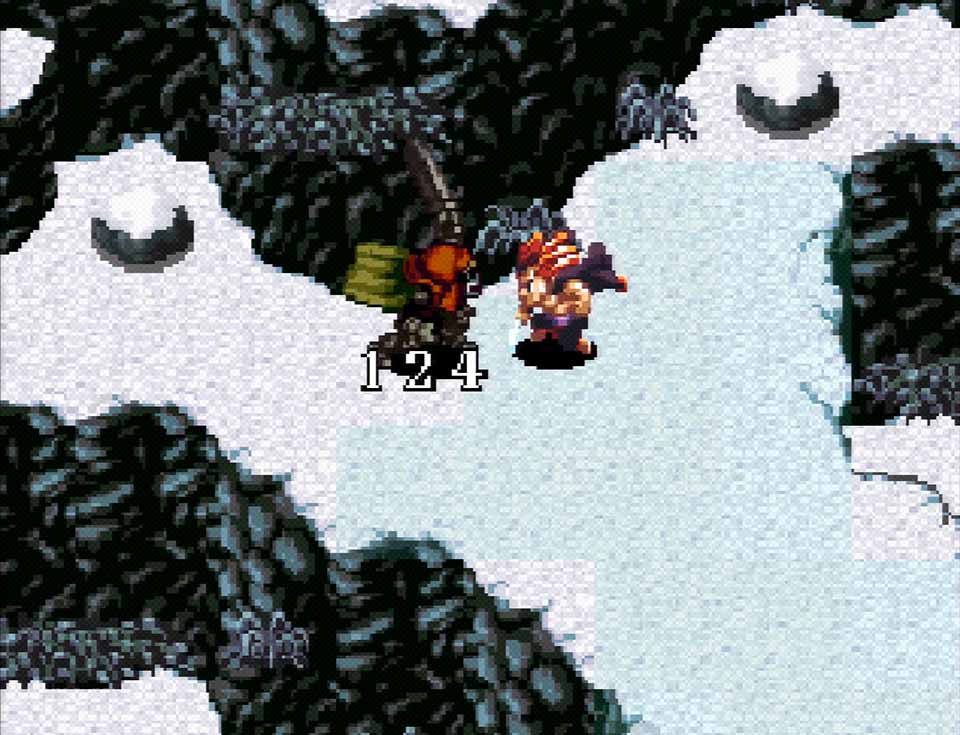
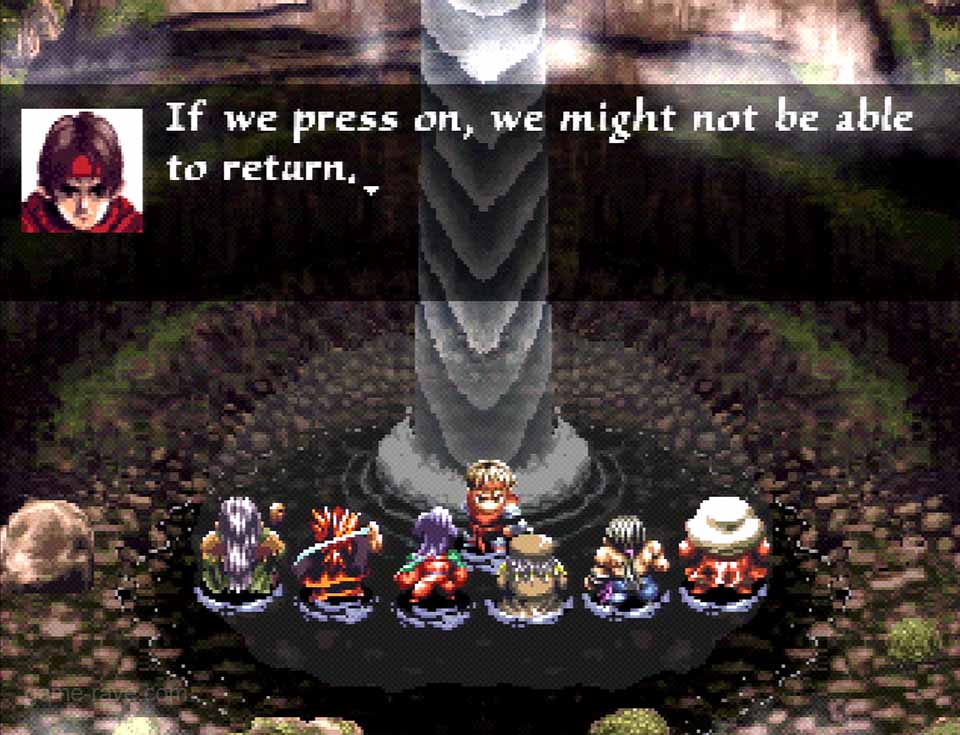
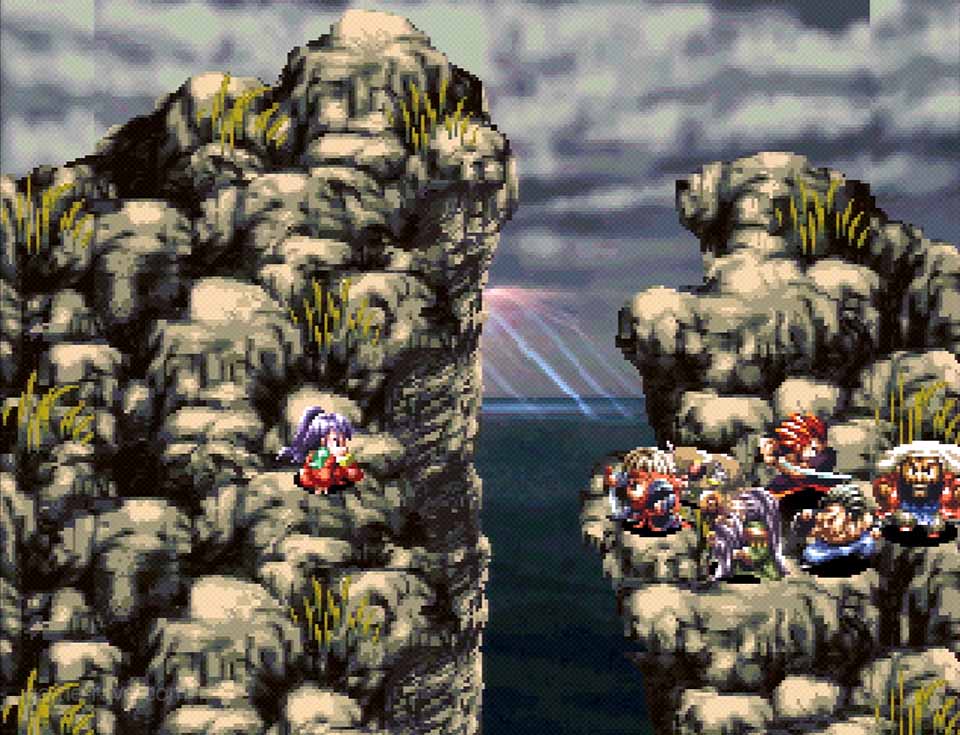
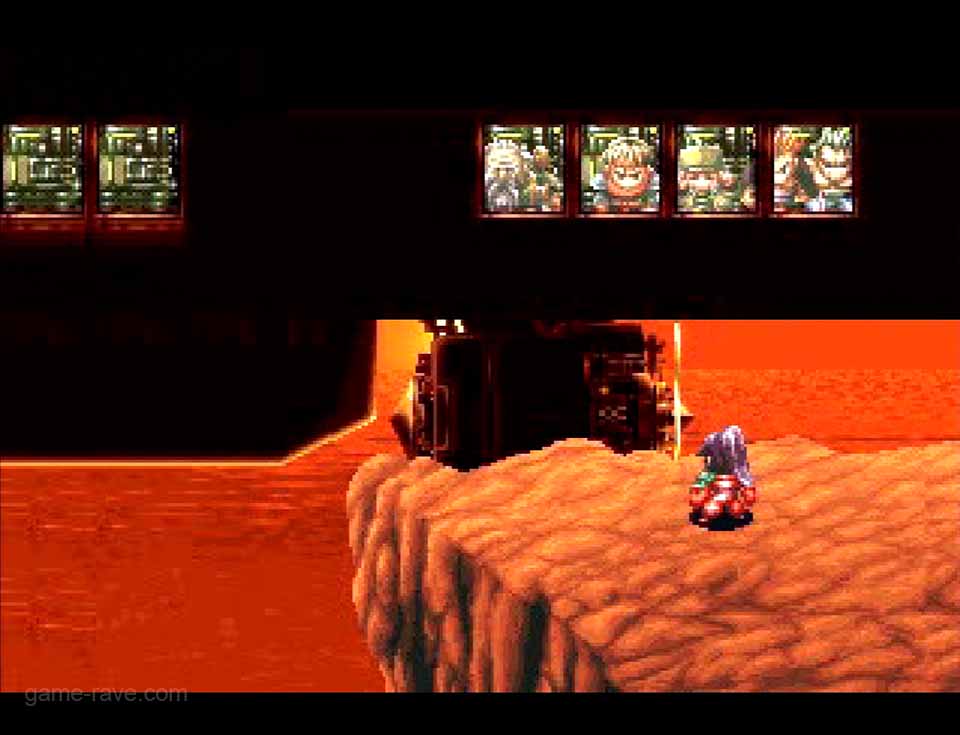
Arc The Lad 1
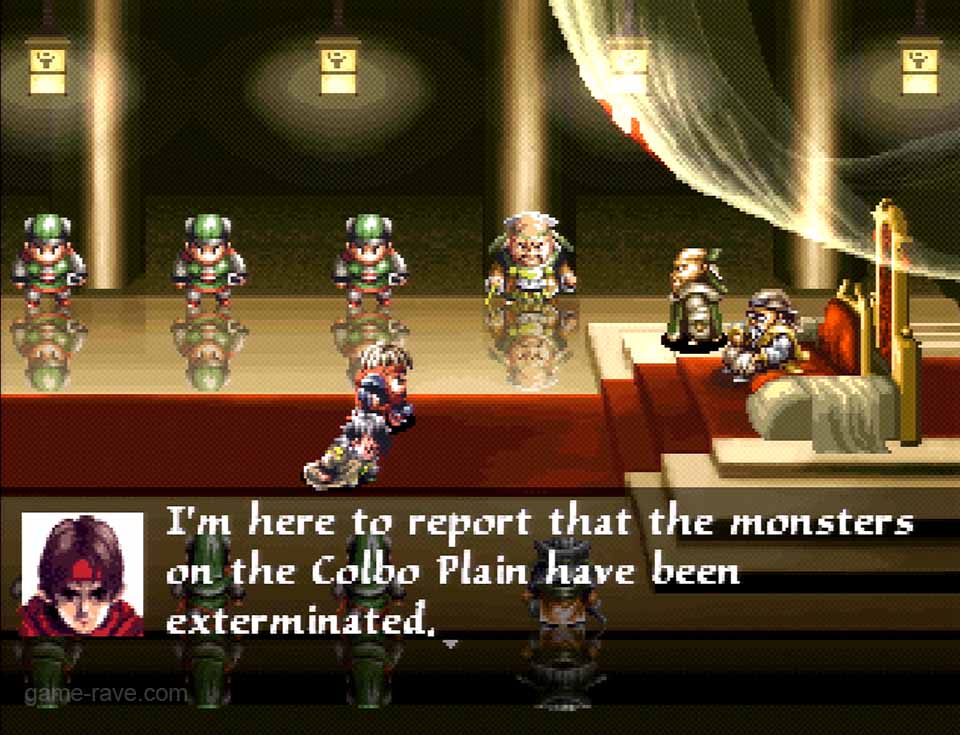
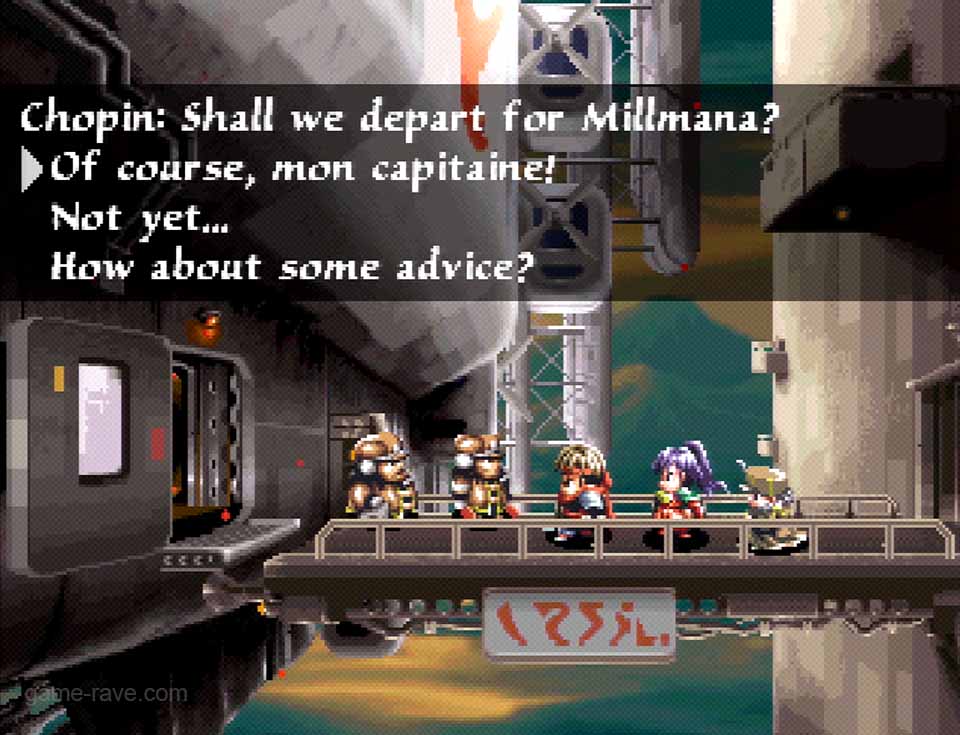
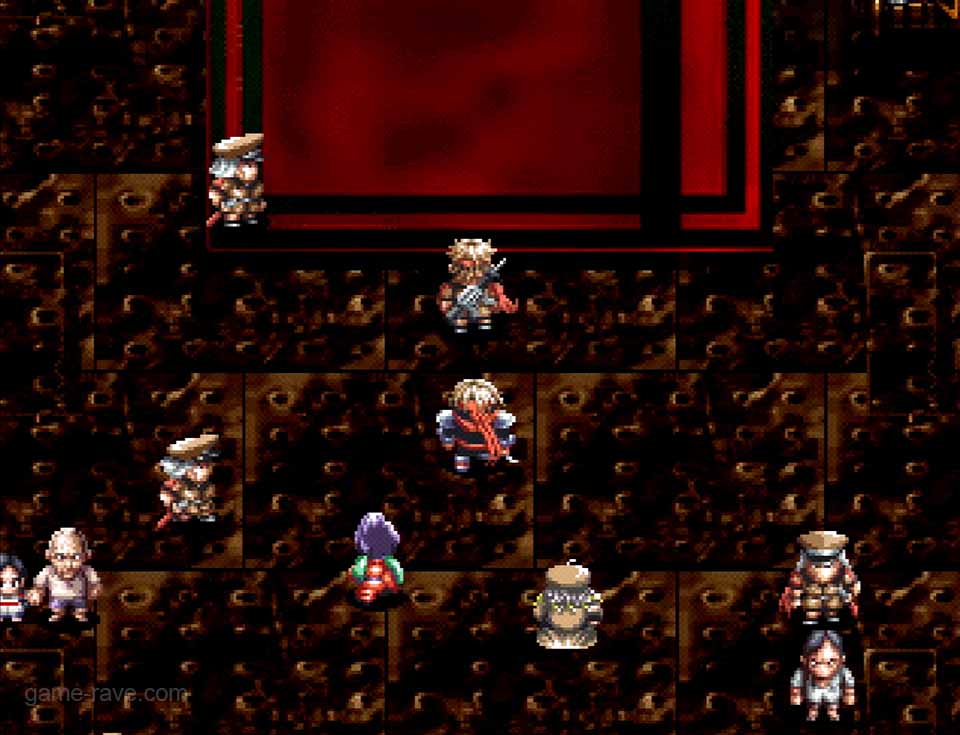
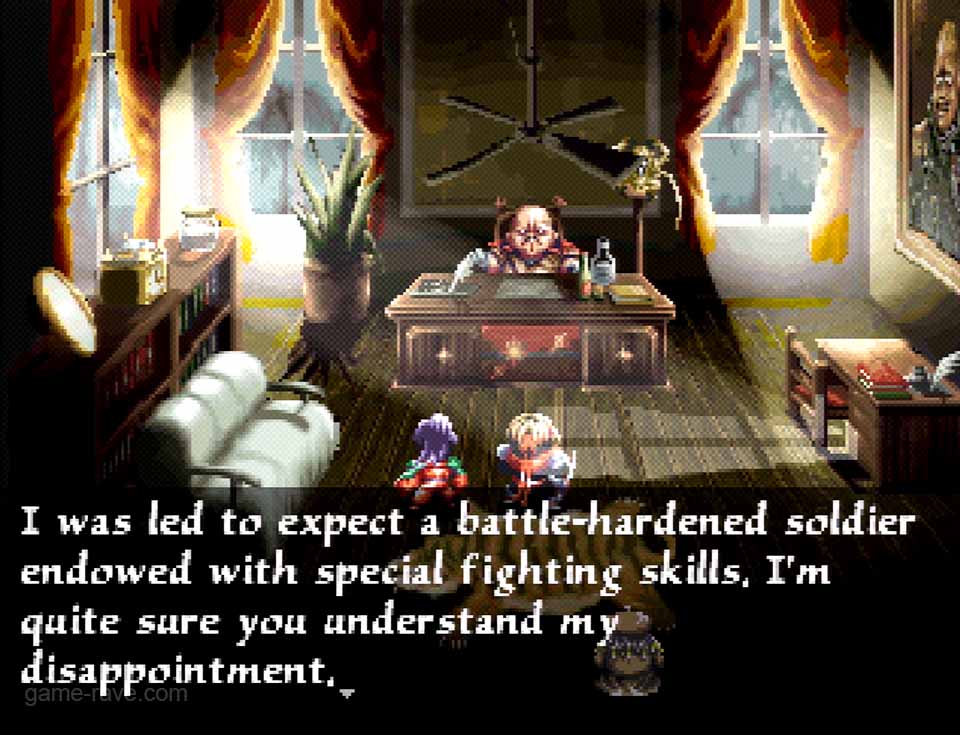
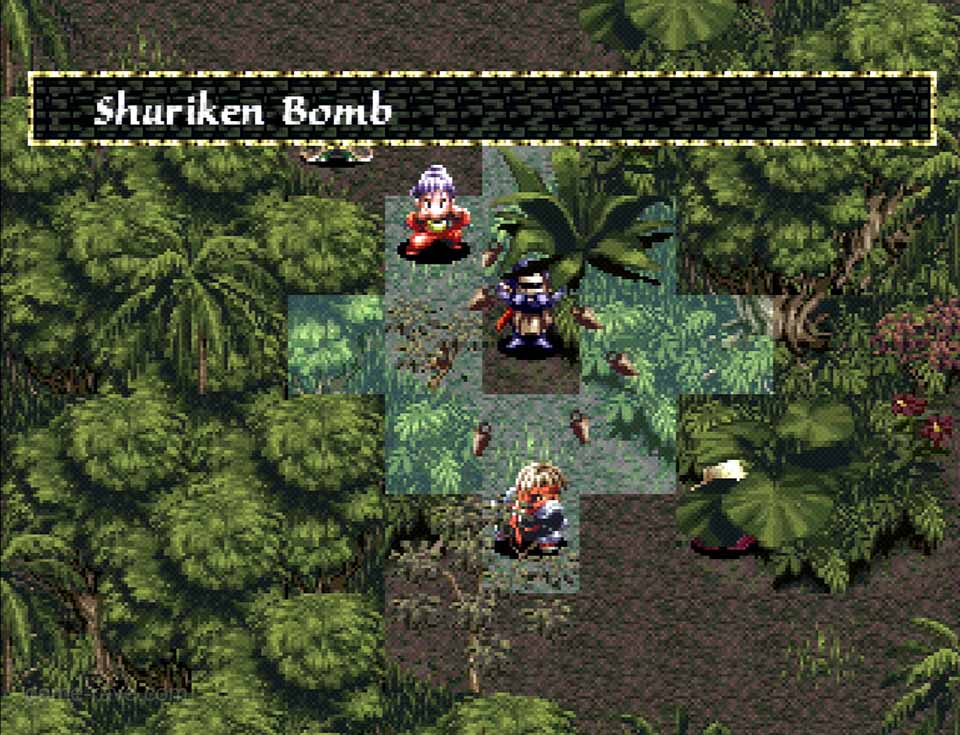
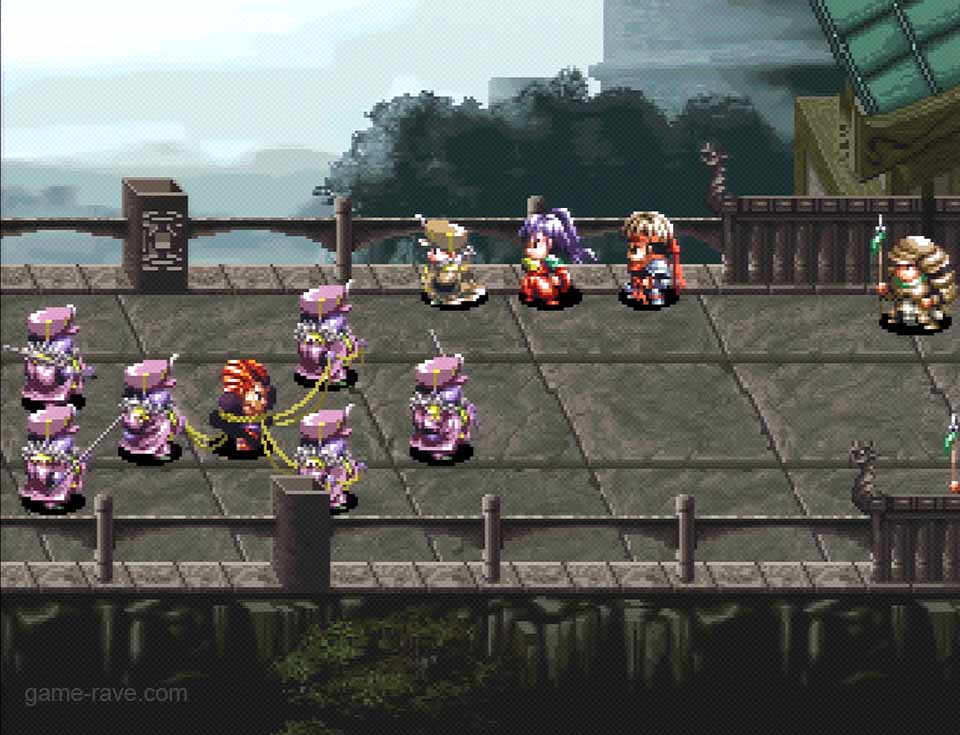
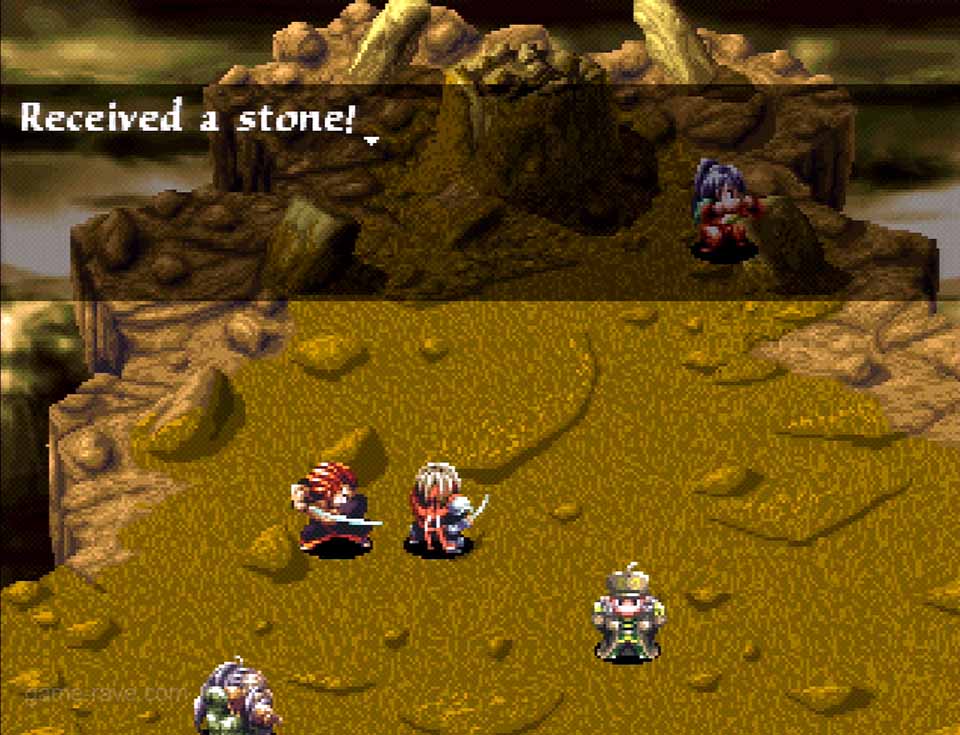
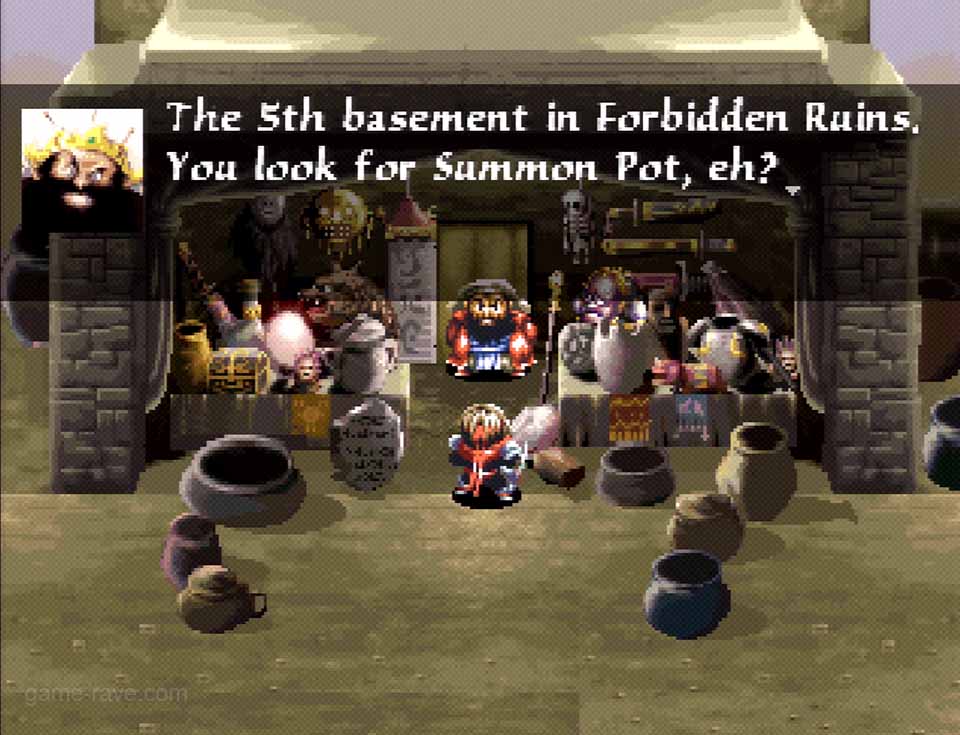
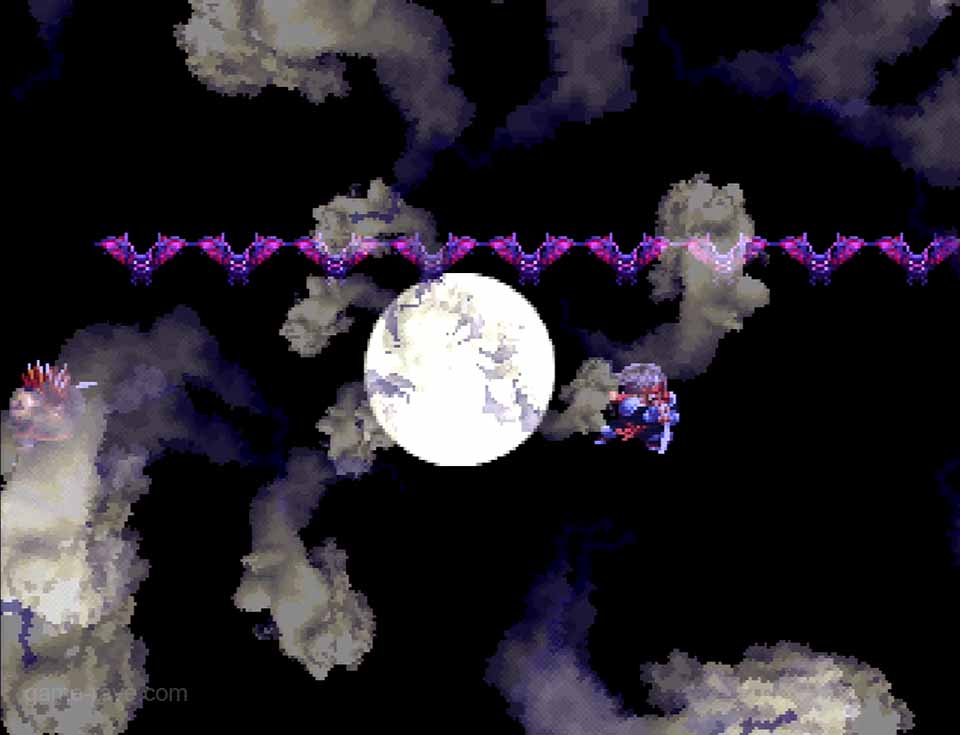
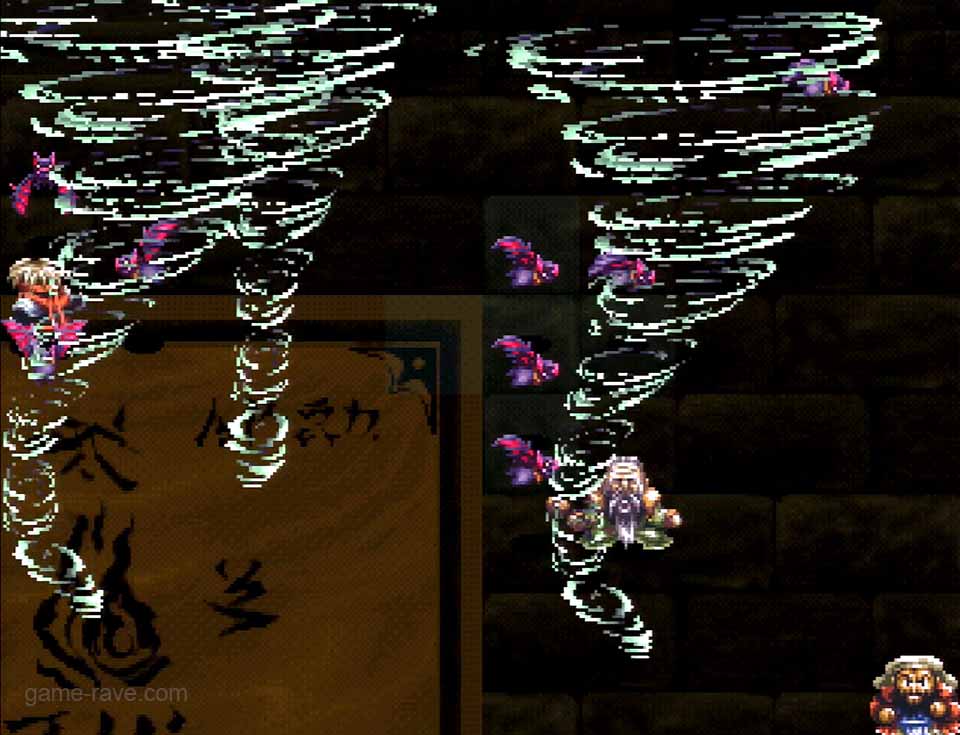
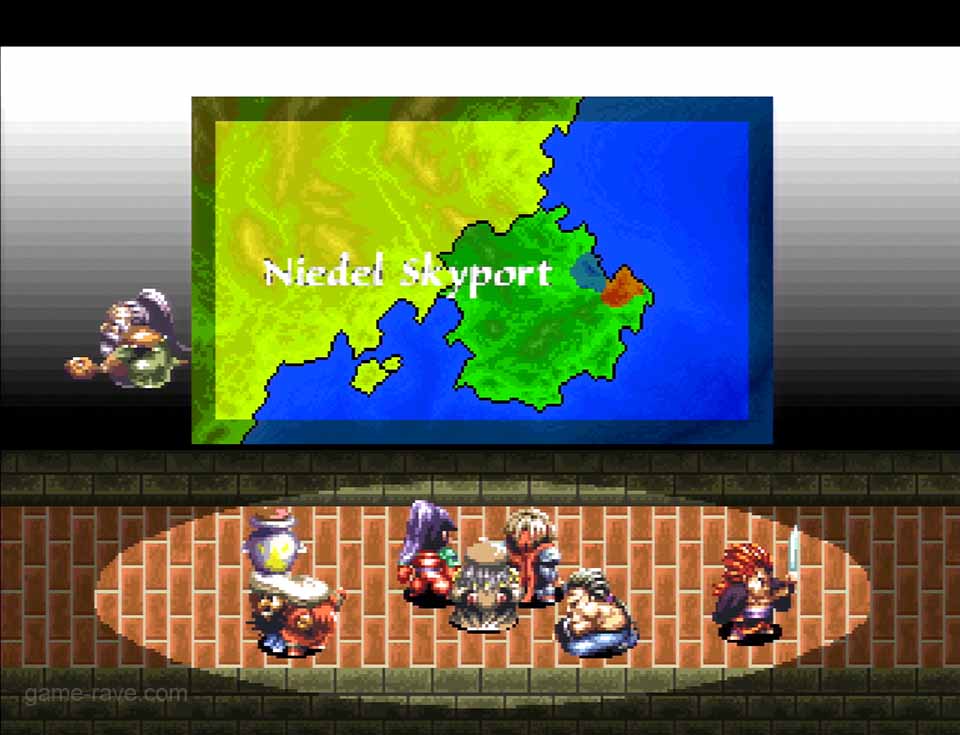
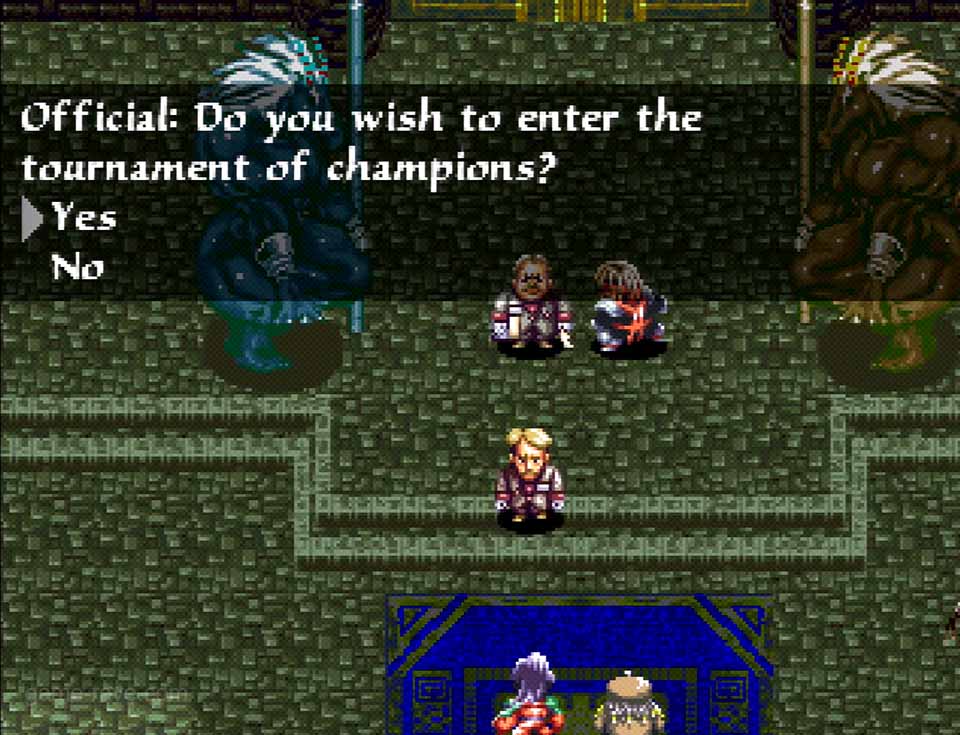
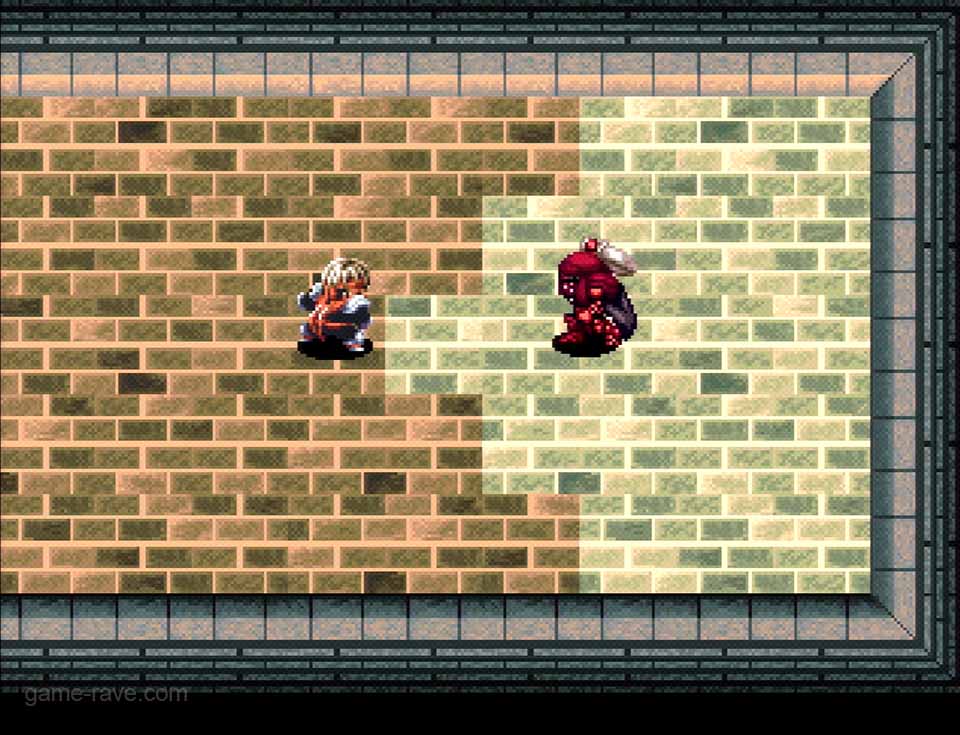
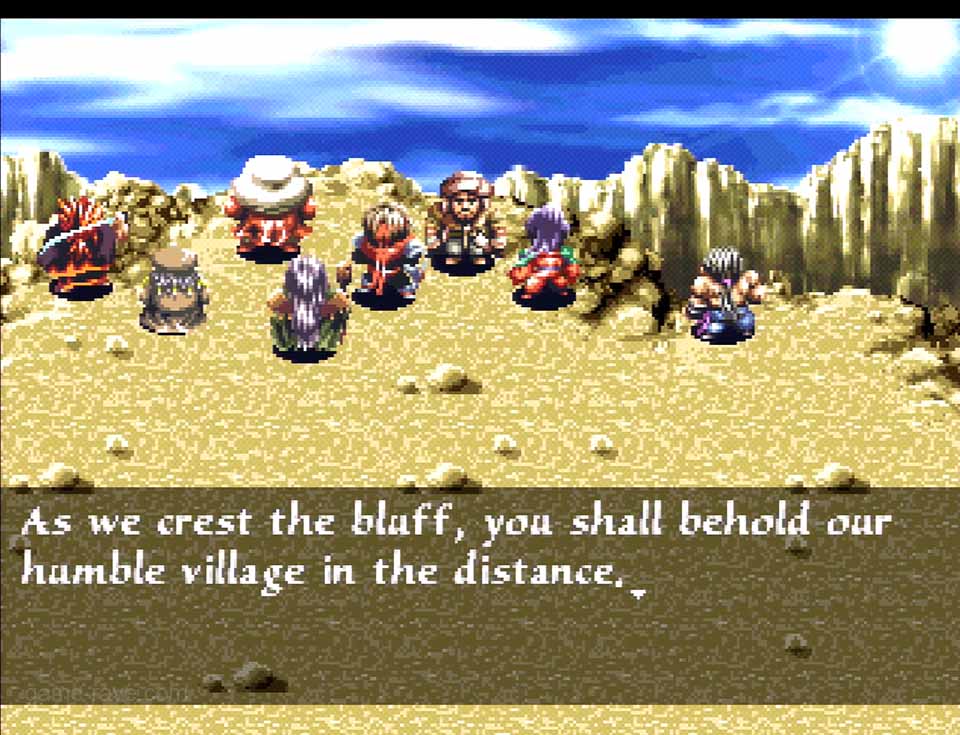
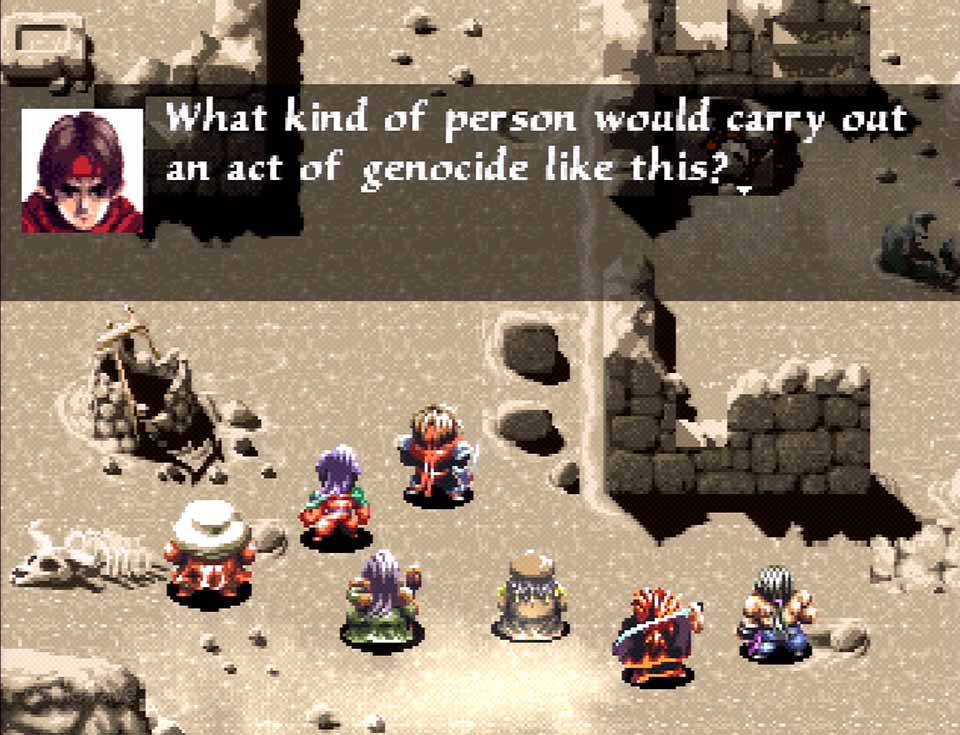
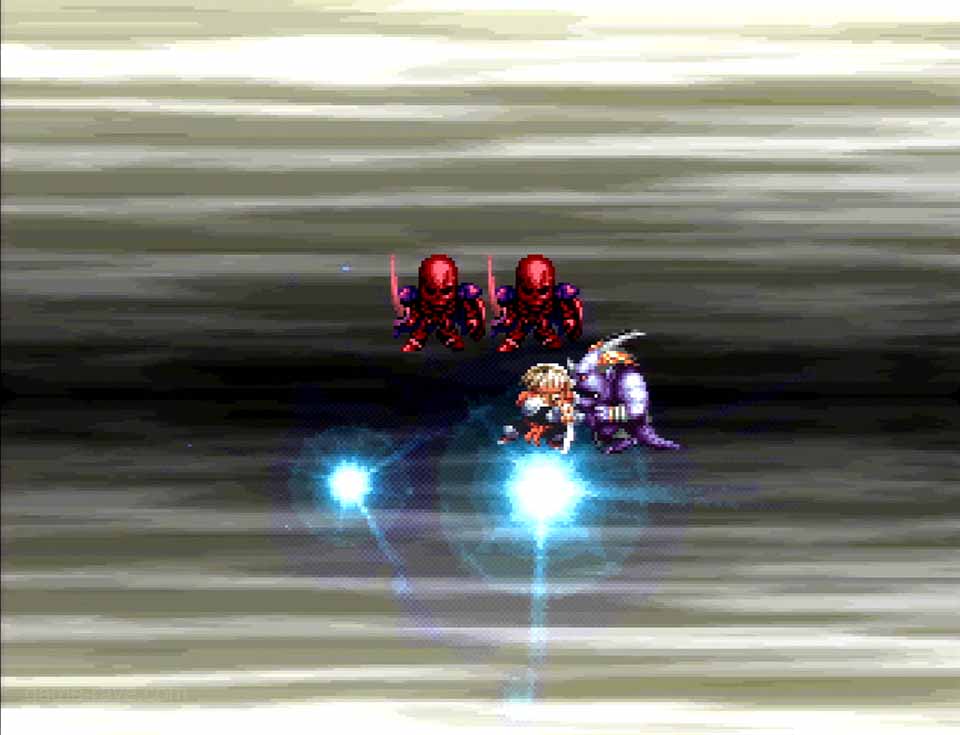
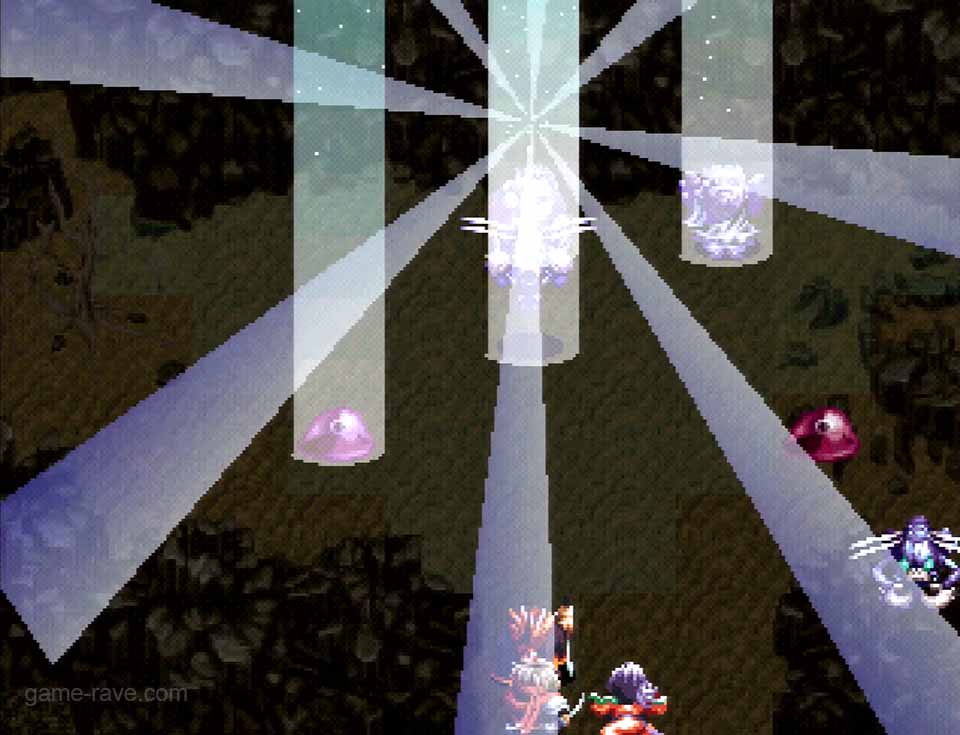
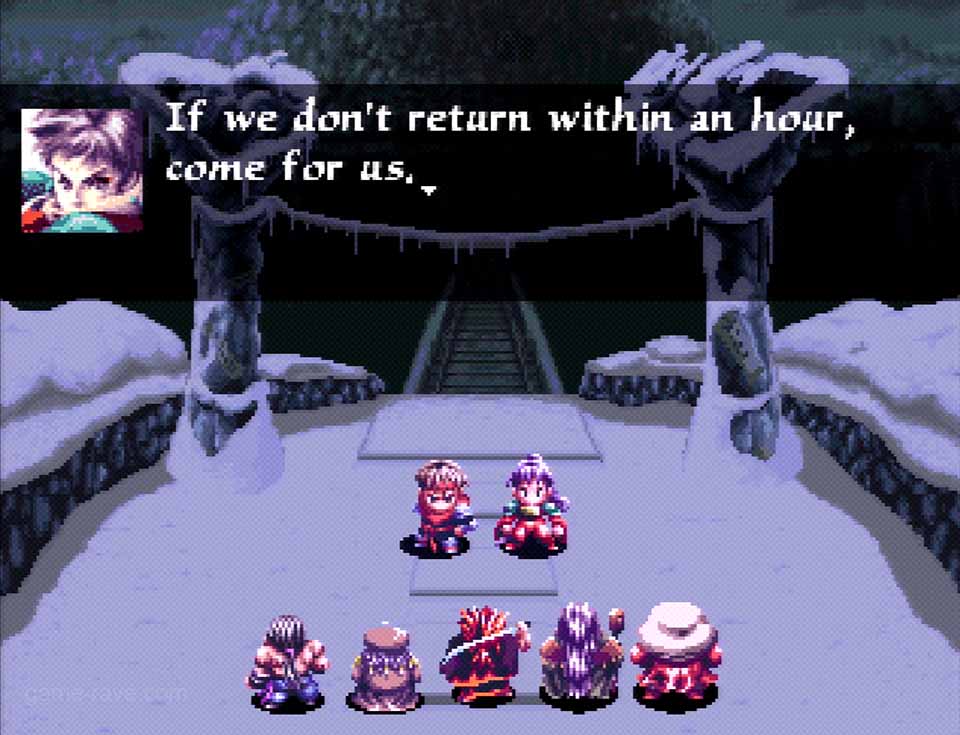
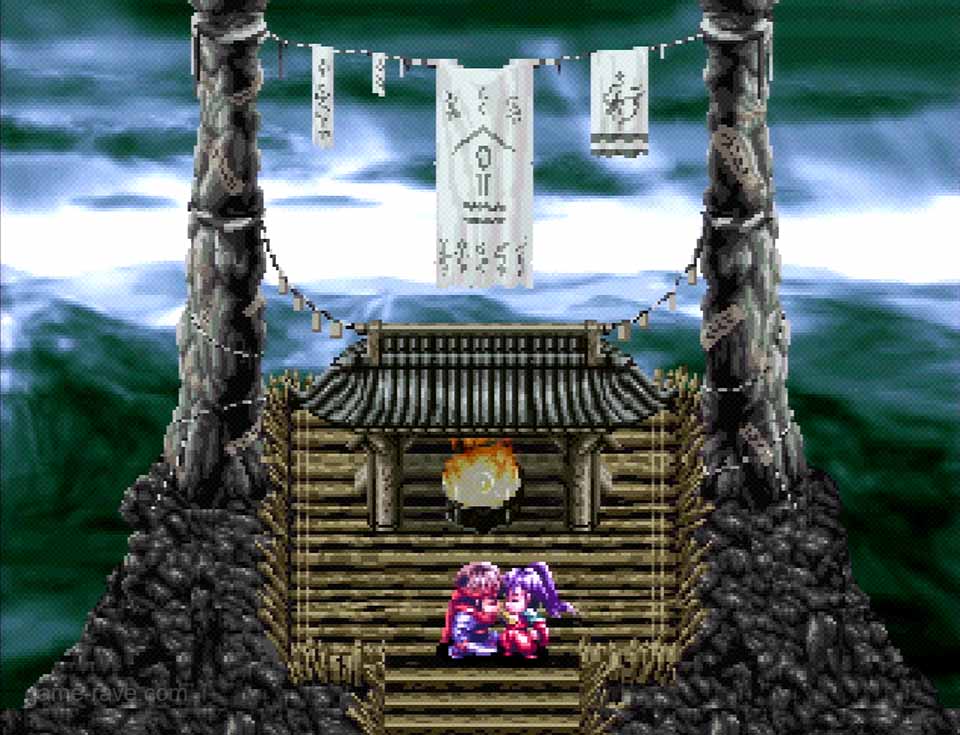
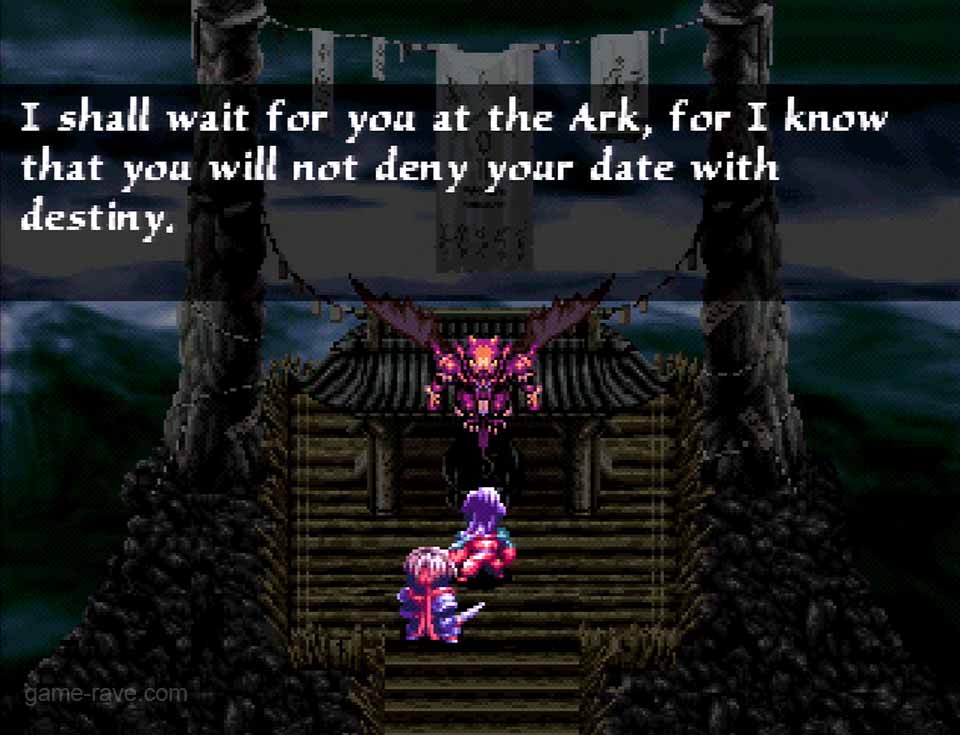
Videos
The video reviews of Arc The Lad 1 & 2.
Trivia
Arc the Lad 1
- There’s a hidden game of checkers using the game’s slime enemy as the playing pieces buried on the “Making of” CD. At the chapter selection screen, press Circle, Circle, Cross, Square, Square, Triangle, Circle, Cross, Square. If done correctly, the game will load. If the movie for the CD starts, you’re pressing the Cross too hard/slow.
- For an amusing message, during Chapter 5 of the “Making Of” CD, hit the built-in pause button at roughly 1:28 on the clock. If you read the lines of programming, it comes off as reading “Must delete hentai (porn) library off of laserdiscs…”
- While the current trend of modding systems has led to ‘skins’ (vinyl stickers for consoles), Arc was the first modern-day authorized game to require players to dismantle their controller to a small degree. The default rubber grips would have to be removed for the included Arc versions to be successfully applied.
- Working Designs has brought over games created by console developers for their systems. Sony of Japan created Arc the Lad, while they brought several of Sega of Japan’s titles to the Saturn.
- The final PlayStation game to be released by Working Designs. They would have 3 PS2 releases before finally closing up shop.
- Arc the Lad was the first-ever strategy RPG for the PlayStation in Japan.
- Arc the Lad III was the first game in the series to go full 3D.
- All four games were released separately between 1995 and 1999 in Japan.
- The largest PlayStation game package ever released, featuring a total of 4 complete games across 5 CDs. The only one that can top it is Riven: The Sequel to Myst, which tops off at 5 game CDs, but all for one game.
- On December 12th, 2005, Victor Ireland posted on the Working Designs message board that WD had been officially shut down.
Arc the Lad 2
- If you convert your Arc the Lad 1 save, all characters will transfer to Arc the Lad II with their experience levels intact. They will also have most, if not all, inventory items. If you were successful in acquiring Choko, she’ll make an appearance as well, just not in the Forbidden Ruins.
- Several sidequest NPCs from the first game make appearances here, finishing off or referencing their adventures from Arc the Lad 1.
- Most new characters are ability parallels to the original cast. Elc replaces Arc, Lieza replaces Chongara, and so on.
- Gogen continues to act like he knows what’s going to happen, but never directly tells you what lies ahead.
- Take note of empty spaces on the world maps. If a location you have never heard of, even in generic terms (aka, ‘the woods near here’), is spoken of, it will likely make a new battleground appear.
- In one of the Hunter Guilds, a plant is positioned next to the teller window. If you walk into it from the left side, you will push aside to reveal a hidden wanted poster.
- The Forbidden Ruins is the same here as in the first game. Only the monsters have flipped, and any treasures you never picked up remain. If you secured Choko in Arc The Lad I, she’s found elsewhere.
Secrets
Arc the Lad has one of the craziest Cheats you could unlock in a game, which can be used to explore other games.
Making Of Disc
- Unlock Slime Mini Game “Slime Time”
Load the ‘Making of Arc the Lad’ disc. At the Main Menu, press: Circle, Circle, Cross, Square, Square, Triangle, Circle, Cross, Square, Start. You can now play Checkers with the slimes. - Hidden Message
Insert the ‘Making Of’ disc. Play Chapter 5, bring up the on-screen menu, and wait for the 1-minute-28-second mark in the video. Pause once you get there. If you read the programming lingo on the screen, it says delete a laserdisc hentai collection. Hentai is Japanese adult animated media. - Debug Mode
REMOVE YOUR MEMORY CARD BEFORE TRYING THIS. Insert the ‘Making Of’ disc. Press Circle, Square, Circle, Circle, Circle, Circle, Circle, Circle, Circle, Square, Start. The screen will go black, and you’ll now be looking at files on the Making of Disc as if you had placed it in a computer. There is a slim chance that you can execute various files on the disc by highlighting it and pressing Cross – or any disc. Most of the time, the system will hang. To swap discs, open the lid of the PlayStation, toss in the next game disc, and press Start. The system will re-read and bring up that game’s folder system. What’s interesting is that some games store unlockable options as their own separate executable. So in Motor Toon Grand Prix, you can have the system load the secret Formula 1 car mode that you normally unlock via in-game progression. Other games will allow you to view the ending movies. We have you remove your memory card because some games have Auto-Save functionality, and there’s no telling what saving a file with missing progression in-code flags could do to the File or even the memory card itself.
Arc The Lad 1
- Annoy the Tournament Host
If you stand directly behind the Tournament host and talk to him 10 times in a row, he’ll get fed up and give you an item to leave him alone. - Tips for the Forbidden Ruins Side Quest
To earn Choko, Chongara’s final monster cast, you must travel down 50 floors, fend off Choko to earn her, and then travel up the 50 floors all in one try. You should not attempt this until everyone is at least level 40 and you have as many healing items as possible. There is no rest area, and you can’t replenish magic. What is important to remember is that you do not need to kill every monster to leave a floor. Plan for about 4 to 6 hours of play time. This was the strategy I used:- Equip your strongest character with items that allow higher agility and jumping. Use them to reach the staircase as fast as possible, ignoring every monster possible. Fight only if needed.
- Have your second-strongest fighter equipped with agility and counterattack items. Pair them with Poco, especially if he has his Lion Drum. Use Poco as their support and healer (through item usage). Poco’s Lion drum can hit multiple targets in a row, so plan accordingly. Use them as the first character’s wingmen.
- If Kukuru isn’t one of the two strongest, use her magic sparingly, especially Divide. Divide will steal the enemy’s HP and give it to you, providing offense and defense. If you can keep everyone within Divide’s range of use, it will act as one giant party heal.
- Iga and Chongara should be used for clean-up. Ega, equipped with strength accessories, can do some killer damage to enemies from behind. Cast Chongara’s healing monster to provide additional healing support, but keep an eye on his magic point usage.
- Gogen should be protected within the group and used sparingly as a magical offense. He’s best used for cleaning up 1-Hp finishers to allow other characters access to fresh enemies.
- Be sure to have enough magic points left to cast Sleep (or use Sleep items) on Choko multiple times. She succumbs to it, and it allows you an easy attack.
- The treasure chests in Choko’s room are all consumables. Don’t worry if you miss opening any of them.
- On the way back up, ignore everything except the treasure chests you missed going down. Just haul ass to the stairs and keep moving back up. If you make it to Floor 20 with at least your “stair chaser” character alive, the rest is a cakewalk. Be sure to save after you get out, once was enough!
- Tips for the 1000 Battles Side Quest
As mentioned in the review, this side quest can be exploited if you allow yourself the time to do it. Since only one character is allowed in at a time, unequip everyone and then apply the best agility, counterattack, and any level-up bonus accessories to the character you want to level boost. Once in the battle, use L1 + R1 to check on the opponent’s move range. Stay one block out of it, and then skip your turn. Once they move towards you, go in for the fight. Skipping the first turn means you get the first attack AND the counter-attack on their first move. This way, you’re always one attack ahead. Eventually, you will outpower the opponents and kill them in 1-hit. I was up to one hit kill around the 500 mark. The only character you would struggle to max out is Chongara. - Completing Chongara’s Sketch Book
To complete his sketches, which act as a bestiary, you will need to cast Sketch on the following characters:- Every enemy unit, including bosses and variants (like the multi-colored slimes)
- All 7 playable characters, including Chongara himself
- All 7 Dark variants of the characters, either in the final battle or during the post-tournament quest
- All of Chongara’s monster casts, including Choko, who is at the bottom of the 50-floor Forbidden Ruins. Note: The story requires dungeons like the Water Temple to disappear after completion. If you miss a monster, you will need to reload the save and redo the dungeon.
Arc The Lad 1I
- Abuse Diekbeck
Sometimes using a GameShark ‘Max Experience Code’ can have negative effects. The game may not grant you bonuses because you never actually hit the previous level. However, if you assign said Max Exp. to Diekbeck, he can then naturally share it with the other characters. This then correctly awards you all the deserved new magic, stat bonuses, and skills you had grinded for experience naturally. - Lieza’s Bestiary
In the middle of the game, you will come across a character named Sister Claire in a cave. For a price, she upgrades the monsters Lieza has captured. You can ‘Search’ the new monsters to help fill out her monster catalog.